![Designer inspired f[designer spandex and more] Designer Inspired Fabrics](http://designerspandexandmore.com/cdn/shop/files/Untitled-1_4df5def2-f0b2-4baf-9714-66df1caa11bc_{width}x.png?v=1631713532)
What Is Twill Fabric? A Guide to Weave, Uses & Care
by Designer Spandex and MORETwill fabric is a woven textile defined by its signature diagonal ribbed pattern. Unlike plain weaves, twill creates that distinctive slanted line across the cloth by weaving yarns in a staggered pattern. It's durable, versatile, and shows up everywhere from work pants to blazers to home upholstery. If you're a fashion entrepreneur, DIY maker, or small manufacturer, understanding twill is essential because it behaves differently than other fabrics you might work with.
In this article
What Makes Twill Fabric Different?
The magic of twill is in its weave structure. A twill weave floats the weft thread over two or more warp threads before going under, creating that visible diagonal line. This is different from a basic plain weave where threads go over and under in a simple one-to-one pattern.
Related: Chiffon Fabric: Guide to Styles, Care & Where to Buy
Because of this construction, twill is naturally more durable than plain weave fabrics. The diagonal structure locks yarns together more tightly, which means less fraying and longer garment life. That's why you see twill used for workwear, uniforms, and heavy-duty apparel.
Related: What Is Chenille Fabric? Texture, Uses & Care Guide
Related: What Is Viscose Fabric? Guide to Drape & Care
Common Twill Fiber Blends
Twill comes in multiple fiber combinations. The most common options include:
- Cotton twill (breathable, affordable, soft)
- Polyester twill (wrinkle-resistant, durable)
- Cotton-rayon blends (drape with durability)
- Cotton-spandex blends (stretch and movement)
- Silk twill (luxury feel, softer hand)
Your choice depends on the garment you're making. A blazer might need silk or a cotton-rayon blend for better drape, while pants or jackets benefit from pure cotton or cotton-poly blends.
Where Twill Shows Up Most
Twill is the go-to for specific garment types. You'll find it in:
- Blazers and jackets
- Work pants and chinos
- Button-up shirts and blouses
- Dresses (especially structured styles)
- Uniforms and workwear
- Denim production
- Home upholstery and heavy textiles
If you're designing pieces that need structure, shape-holding, and durability, twill is a smart choice. It won't drape as softly as silk charmeuse, but it holds its form beautifully.
Twill Weight & Texture Variations
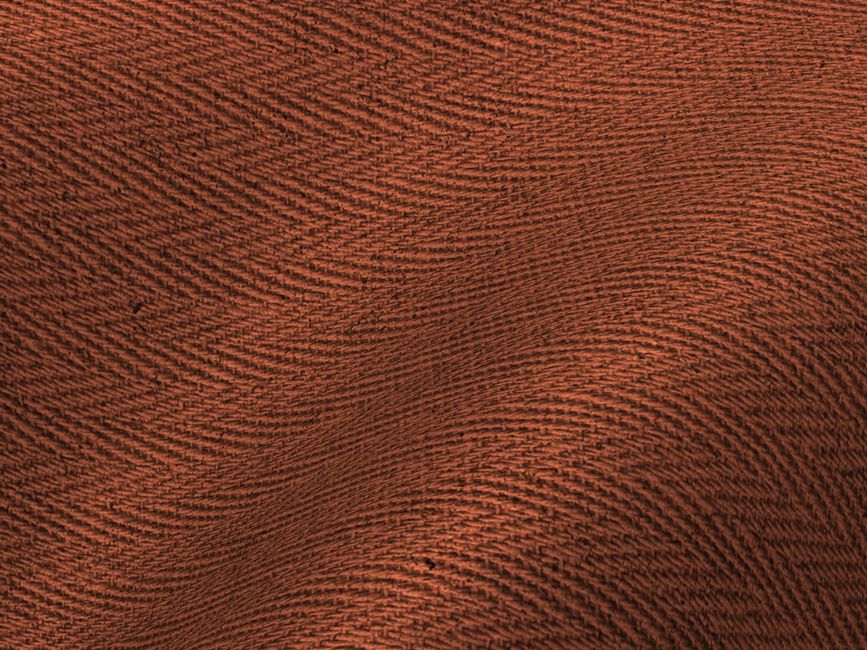
Not all twill is the same. You'll encounter different weight classifications:
- Lightweight twill (4-6 oz per yard) - best for shirts and dresses
- Medium-weight twill (8-10 oz) - ideal for pants, blazers, and structured garments
- Heavyweight twill (12+ oz) - workwear, outerwear, industrial uses
Twill also comes in different finishes. Some fabrics have a smooth, polished surface while others feature wrinkled or textured finishes for a more casual look. The finish affects how the garment looks and feels, so test samples before committing to large orders.
Pricing and Availability
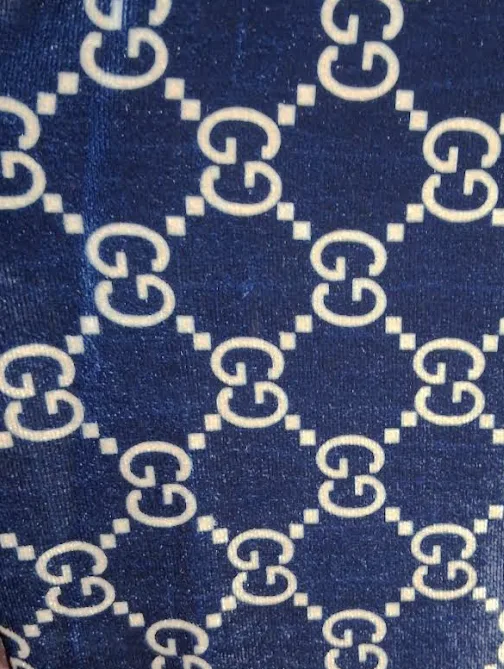
Lightweight cotton twill typically runs around $14.00 per yard, making it an affordable option for most makers. When you're sourcing fabric for production or personal projects, pricing varies based on fiber content, weight, and finish. Designer-inspired twill-look polyester fabrics offer alternatives if you want specific color palettes or patterns without the twill price tag.
For wholesale orders or bulk production, many suppliers offer discounted pricing. If you're manufacturing clothing or building a fashion line, Designer Spandex and MORE carries woven options and can source custom prints with a 5-yard minimum from stock libraries like Shutterstock and Adobe. That flexibility is game-changing when you need specific colorways fast.
How to Work With Twill Fabric
Sewing twill requires attention to detail. Here's what you need to know:
Preshrinking. Always preshrink cotton twill before cutting patterns. Wash in warm water and dry on low heat. Twill can shrink 2-4%, which throws off your sizing if you skip this step.
Seam finishing. This is critical. Twill frays more than stretchy fabrics, so finish all raw seams with a serger, zigzag stitch, or binding. Unfinished seams will unravel in the wash.
Needle selection. Use a 70/10 or 80/12 universal needle for lightweight twill, and a 90/14 for medium-weight. Thicker needles prevent skipped stitches.
Thread choice. Polyester or cotton thread works fine. Match thread color to your fabric for clean seams.
Pattern considerations. Twill holds detail well, so topstitching and contrast seams look sharp. If your design includes those elements, twill is forgiving.
When NOT to Use Twill
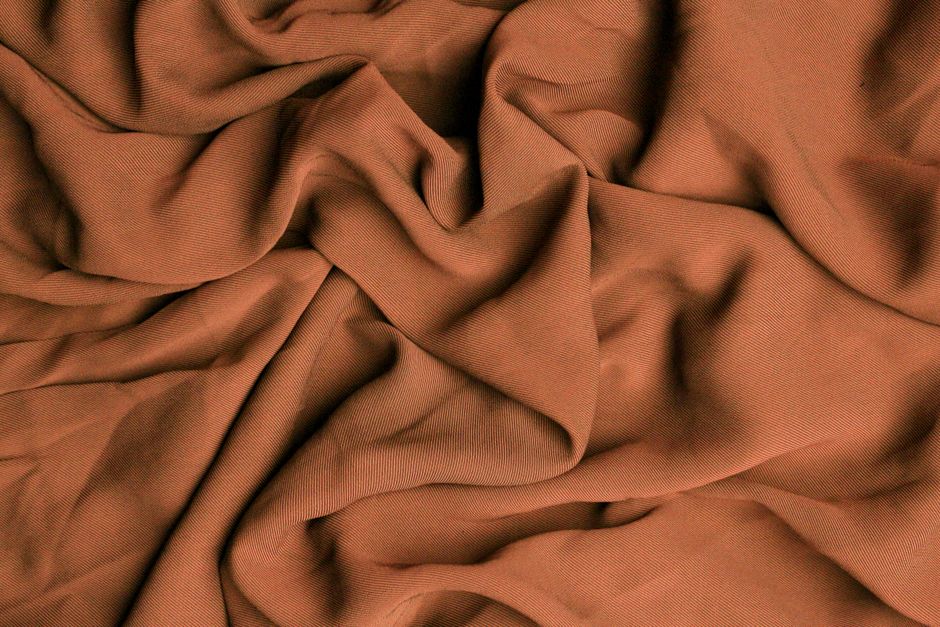
Twill isn't right for every project. Skip it if you need:
- Soft, fluid drape (use silk charmeuse or rayon instead)
- Lightweight, breathy summer fabrics (cotton voile or linen work better)
- Maximum stretch and recovery (spandex blends are your friend)
- Ultra-sheer transparency (twill is always opaque)
For projects requiring stretch, Designer Spandex and MORE stocks 4-way stretch options that give you the durability you want with movement built in. If you're making swimwear, dancewear, or athletic pieces, those spandex alternatives are often better than twill alone.
Sourcing Quality Twill for Your Production
Before you buy bulk twill, understand what you're getting. Ask suppliers about:
- Fiber content breakdown (100% cotton vs. blends)
- Weight (ounces per yard)
- Width (most fabric comes 45-60 inches wide)
- Shrinkage rates after washing
- Colorfastness and dye lot consistency
If you're manufacturing clothing, small inconsistencies compound across orders. A trusted supplier samples fabric before you commit to 50+ yards. Reputable suppliers provide spec sheets with thread count, weight, and shrinkage data.
For non-traditional projects or custom prints, consider stock image libraries. Designer Spandex and MORE offers Shutterstock and Adobe pattern options with flexible minimums, which works well if you're testing new designs or small-batch production.
Twill vs. Other Woven Fabrics
How does twill compare to alternatives?
- Twill vs. Plain Weave: Twill is more durable and wrinkle-resistant. Plain weave is simpler and cheaper.
- Twill vs. Denim: Denim is a type of twill, but heavier and always indigo-dyed. Regular twill is more versatile in color.
- Twill vs. Canvas: Canvas is thicker and stiffer. Twill has more refined drape.
- Twill vs. Linen: Linen is lighter and more breathable. Twill holds shape better.
Washing and Care Tips
Twill garments last longer with proper care. Machine wash in cold water with mild detergent. Tumble dry on low or hang dry to prevent excessive shrinkage. Iron on medium heat if needed (twill resists wrinkles better than many fabrics, but stubborn creases happen). Avoid bleach unless the fabric is white.
FAQ: Is twill fabric good for beginners?
Yes. Twill is beginner-friendly because it doesn't stretch, holds shape well, and doesn't require finicky seam techniques. The main skill is proper seam finishing to prevent fraying. If you can sew a straight line and finish edges, you can work with twill.
FAQ: Can you make swimwear out of twill?
Technically yes, but it's not ideal. Twill doesn't have the stretch swimmers need for movement, and it's heavy when wet. Cotton-spandex twill blends work better than 100% cotton if you're set on twill. For proper swimwear, spandex-heavy fabrics like those available at Designer Spandex and MORE are the standard choice.
FAQ: How much does twill fabric cost?
Lightweight cotton twill runs roughly $14.00-16.99 per yard depending on supplier and quality. Medium-weight twill costs a bit more, around $16-18 per yard. Bulk orders (50+ yards) usually qualify for wholesale discounts. Designer-inspired woven fabrics and printed options vary, but competitive pricing is available for manufacturers placing regular orders.
FAQ: What's the difference between a twill weave and a sateen weave?
Twill creates diagonal lines and is durable. Sateen floats threads differently to create a shiny, smooth surface. Sateen is silkier and more luxurious but less durable than twill. For workwear and everyday clothing, twill wins. For formal wear or home linens, sateen shines.