![Designer inspired f[designer spandex and more] Designer Inspired Fabrics](http://designerspandexandmore.com/cdn/shop/files/Untitled-1_4df5def2-f0b2-4baf-9714-66df1caa11bc_{width}x.png?v=1631713532)
What Is Chenille Fabric? Texture, Uses & Care Guide
by Designer Spandex and MOREChenille fabric is a soft, fuzzy textile made by twisting short fibers around core yarns to create raised loops that sit on top of a densely woven base. The result? A supremely touchable, plush surface that feels luxurious against your skin. If you've ever run your hand across a high-end throw pillow or upholstered sofa and felt that velvety, almost feathery texture, you've likely touched chenille. It's one of those fabrics that makes people go "wow" the moment they feel it.
In this article
What Makes Chenille Fabric Different?
Chenille isn't defined by a single fiber type. Instead, it's defined by how it's made. You can find chenille constructed from cotton, wool, polyester, acrylic, or blends of any of these materials. The magic happens in the yarn construction itself.
Picture this: thin strands of fiber get twisted tightly around two core yarns, creating a fuzzy caterpillar-like yarn. (In fact, "chenille" comes from the French word for caterpillar.) When these yarns are woven into fabric, they create a distinctive texture that's instantly recognizable and absolutely irresistible to touch.
The best part? This construction method creates a fabric that looks rich and sophisticated while staying breathable and naturally soft. Unlike some synthetic textiles that feel stiff or plasticky, chenille has a genuine hand-feel that people crave.
Related: What Is Rayon Fabric? Guide to This Breathable Textile
Related: What Is Spandex Fabric? Complete Guide to Stretch Materials
Primary Uses of Chenille Fabric
Chenille's strength and softness combination makes it ideal for home furnishings. You'll find it most commonly used in:
- Upholstery fabrics for sofas, chairs, and sectionals. It holds up to regular use while maintaining its plush appearance.
- Cushion covers and decorative throw pillows that add texture to living rooms and bedrooms.
- Throws and blankets that wrap you in comfort while looking intentional and designer-worthy.
- Home furnishings like curtains, ottomans, and window treatments that benefit from its visual depth.
The reason chenille works so well in these applications is durability. High-quality chenille fabrics resist pilling and maintain their texture even after years of use. The dense weave underneath ensures the fabric doesn't sag or stretch out of shape.
Key Characteristics That Make Chenille Special
Understanding what makes chenille stand out helps you decide if it's right for your project.
- Soft and plush texture. The raised loops create an incredibly touchable surface that feels cozy from the first moment.
- Visual richness. Chenille catches light differently depending on the direction of the pile, creating depth and dimension in your decor.
- Breathability. Despite its luxe feel, chenille remains breathable, making it comfortable for blankets and throws.
- Durability for high-traffic use. The dense weave underneath combined with the textured surface makes it suitable for furniture that gets regular use.
- Works beautifully alongside other textures. Designers often pair chenille with bouclé, linen, and other textured fabrics to create sophisticated, layered looks.
How Chenille Compares to Similar Fabrics
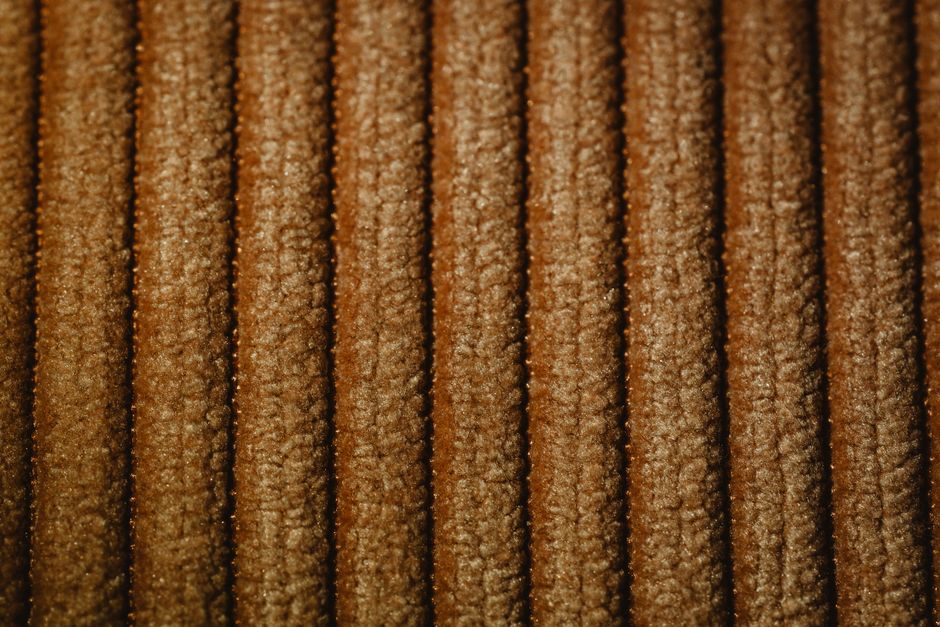
You might see chenille grouped with other plush fabrics like velvet or bouclé. Here's the difference: velvet has a smooth, dense pile that feels almost liquid under your hand, while chenille has those characteristic raised loops that give it more texture and visual interest. Bouclé has looped yarns throughout the fabric itself, whereas chenille reserves the loops for the surface layer.
All three fabrics scream luxury and work beautifully in upholstery and home décor. Your choice depends on the look you want. Designer Spandex and MORE carries a range of textured fabric options, including VELVET 4 Way Stretch Spandex, if you're exploring stretch options for apparel or dancewear projects.

Why Designers Love Chenille
Luxury textile collections consistently feature chenille because it delivers on both aesthetics and function. The fabric feels expensive without requiring an expensive price tag, especially when sourced thoughtfully. The raised texture creates visual patterns and designs that add depth to any space without the need for additional decoration.
Chenille also works across design styles. It works in contemporary spaces paired with clean lines and neutral palettes. It fits perfectly in traditional decor where it adds warmth and tactile interest. It even plays well in eclectic, maximalist interiors where layered textures are the goal.
For makers and entrepreneurs who want to create upholstered goods, home goods, or textured apparel, understanding chenille's appeal helps you source fabrics that match what customers actually want. When you're shopping for your next project, whether at specialty distributors or online suppliers, you'll know exactly what to look for.
Care Tips for Chenille Fabrics
To keep your chenille looking and feeling great long-term, follow these simple guidelines:
Related: What Is Viscose Fabric? Guide to Drape & Care
- Vacuum regularly. Use a soft brush attachment to gently remove dust from the surface. This keeps the pile looking fresh.
- Spot clean promptly. For spills, blot (don't rub) with a clean, damp cloth. Avoid harsh chemicals that can damage the fibers.
- Minimize direct sunlight. Prolonged sun exposure can fade chenille over time, especially lighter colors.
- Rotate and flip. If your chenille item gets regular use, rotate or flip it occasionally to ensure even wear.
- Check the care tag. Different fiber blends have different care requirements. Always follow the manufacturer's recommendations.
Quality chenille holds up beautifully to these simple care practices. According to the Textile Exchange, well-maintained upholstery fabrics like chenille can last 10+ years with proper care.
Sourcing Chenille for Your Projects
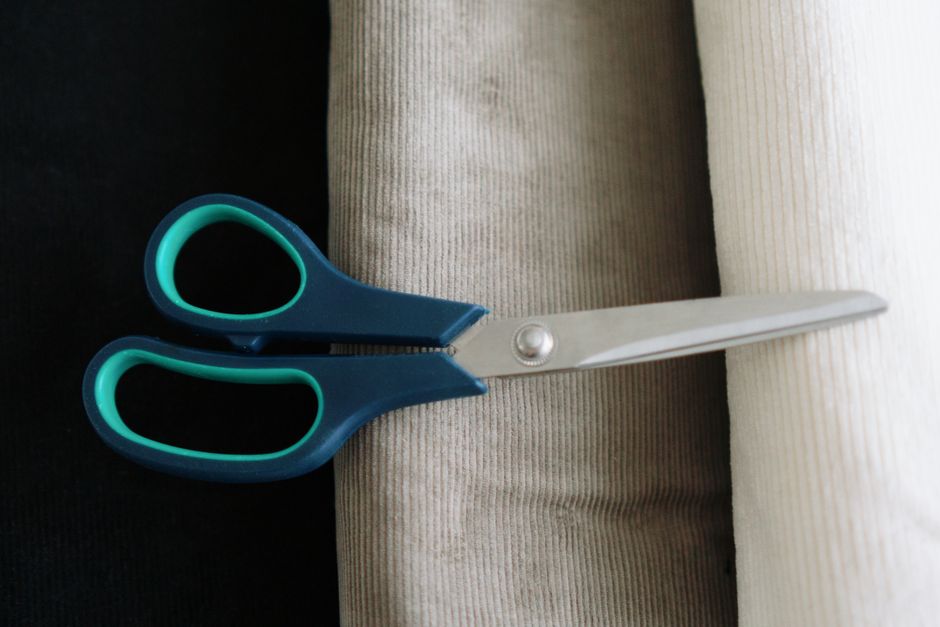
If you're a maker, designer, or entrepreneur looking for textured fabrics, your sourcing strategy depends on your project type. For traditional upholstery and home goods, specialty fabric distributors and textile suppliers typically offer the widest selection of true chenille fabrics.
For apparel and dancewear projects, Designer Spandex and MORE focuses on stretch fabrics like spandex blends that serve fashion entrepreneurs and DIY makers. If you're interested in non-traditional textured fabrics or want to explore custom pattern options, they also offer millions of seamless patterns from Shutterstock and Adobe with a 5-yard minimum order. This gives you flexibility to create custom designs without huge bulk commitments.
Wholesale pricing and bulk discounts are available through most fabric suppliers. If you're planning a larger project or starting a small manufacturing operation, always ask about volume pricing. Many distributors offer tiered pricing that makes larger orders significantly more cost-effective.
People Also Ask About Chenille Fabric
Is chenille fabric stretchy?
Traditional chenille is not stretchy. It's a woven fabric with a fixed structure that prioritizes stability and durability over elasticity. This makes it perfect for upholstery where you need fabric that holds its shape. If you need a textured fabric with stretch for apparel or dancewear, you'd want to explore spandex blends instead.
Does chenille pill or shed?
High-quality chenille resists pilling and shedding when properly constructed and cared for. The dense weave underneath the raised loops prevents the surface from breaking apart easily. Budget or poorly made chenille might shed or pill, which is why sourcing from reputable suppliers matters. Regular gentle vacuuming also helps maintain appearance.
Can you wash chenille fabric?
It depends on the fiber content. Chenille made from wool or cotton blends often requires dry cleaning or gentle hand washing. Synthetic chenille (polyester or acrylic) is typically more washable. Always check the care label on your specific chenille item before attempting any cleaning. When in doubt, professional cleaning is safer than risking damage.
What's the difference between chenille and velour?
Velour is a knit fabric with a short, dense pile that feels smooth and uniform, while chenille is a woven fabric with raised loops that create texture and dimension. Velour is more commonly used in athletic wear and casual clothing, while chenille dominates home furnishings and upholstery applications.
Is chenille expensive?
Chenille pricing ranges widely depending on fiber content, construction quality, and sourcing. Designer chenille upholstery fabrics can run $25-$50+ per yard, while quality chenille from standard textile suppliers might run $12-$20 per yard. For apparel makers and DIY projects, exploring alternative stretch fabrics through suppliers like Designer Spandex and MORE offers budget-friendly options starting at $11.99 per yard for VELVET 4 Way Stretch Spandex, plus you get same-day processing and fast shipping.