![Designer inspired f[designer spandex and more] Designer Inspired Fabrics](http://designerspandexandmore.com/cdn/shop/files/Untitled-1_4df5def2-f0b2-4baf-9714-66df1caa11bc_{width}x.png?v=1631713532)
What Is Spandex Fabric? Complete Guide to Stretch Materials
by Designer Spandex and MORE
Spandex fabric is a synthetic elastic material engineered to stretch and snap back to its original shape without losing its form. It's the secret ingredient that makes your favorite workout clothes, swimsuits, and dancewear actually wearable. You're probably wearing spandex right now and didn't even think about it.
In this article
- What Exactly Is Spandex Fabric?
- Why Spandex Fabric Matters for Your Projects
- Common Spandex Fabric Blends and What They Mean
- Key Properties That Make Spandex Special
- Best Uses for Spandex Fabric
- How to Choose the Right Spandex Fabric for Your Project
- Spandex Fabric Care and Maintenance
- Wholesale Spandex Options and Bulk Discounts
- People Also Ask About Spandex Fabric
What Exactly Is Spandex Fabric?
Spandex is a lightweight, breathable synthetic fiber that can stretch up to 5-8 times its original length and still bounce back. Most spandex blends you'll find mix it with other fibers like nylon or polyester to create the perfect balance of stretch, durability, and comfort. A common blend is 75% Nylon and 25% Spandex, which gives you killer stretch performance without sacrificing durability.
The magic happens because of spandex's molecular structure. The polymer chains in spandex are designed to extend when you move, then return to their original position when the force is released. Think of it like a coiled spring that never gets tired. This makes it perfect for any garment where you need movement and flexibility.
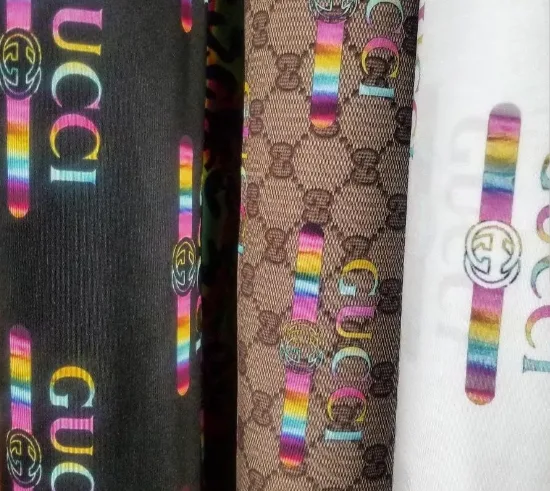
If you're making activewear, dancewear, or swimwear, you need fabric that moves with your body. Designer Spandex and MORE carries premium spandex blends and stretch fabrics perfect for these applications, with same-day processing and fast shipping so you can get your projects moving.
Why Spandex Fabric Matters for Your Projects
Spandex isn't just for athletic wear anymore. Modern fashion has embraced stretch fabrics across nearly every category. You'll find spandex in everyday clothing, costumes, performance gear, and even upholstery applications. If you want your designs to fit comfortably and move naturally with the wearer, spandex is your answer.
The real advantage of spandex fabric is comfort. Garments made with spandex feel softer and more flexible than rigid fabrics. They hug your body without restricting movement. For anyone making DIY clothes, dancewear costumes, or swimwear, this makes a huge difference in how the final product feels and performs.
Spandex is also machine washable and easy to care for. Your customers won't have to stress about special treatment or dry cleaning. Just toss it in the wash, and it'll come out ready to wear again. That durability and low-maintenance quality is a major selling point.
Common Spandex Fabric Blends and What They Mean
Not all spandex blends are created equal. The percentage of spandex and what it's blended with completely changes how the fabric performs.
- 75% Nylon / 25% Spandex: This is the sweet spot for most applications. You get excellent stretch recovery, durability, and breathability. Perfect for activewear and swimwear.
- 88% Polyester / 12% Spandex: A lighter spandex content means less stretch but more structure. Good for shapewear or performance compression garments.
- 90% Cotton / 10% Spandex: Cotton blends give you that natural fiber feel with just enough stretch for comfort. Ideal for casual wear and DIY projects.
- 100% Spandex: Rarely used alone because it's expensive and can be too stretchy. Usually reserved for very specific performance applications.
The blend you choose depends on what you're making and how much stretch you need. For fashion entrepreneurs and manufacturers, picking the right blend can be the difference between a product customers love and one they return.
Key Properties That Make Spandex Special
Understanding spandex fabric means knowing what makes it different from regular textiles.
Exceptional Stretch and Recovery: This is spandex's superpower. The fabric stretches without losing elasticity, even after thousands of wears. That's why your favorite yoga pants don't bag out after a month.
Lightweight and Breathable: Spandex doesn't add bulk. Even with 25% spandex in a blend, the fabric stays light and airy. You won't feel trapped or overheated when you're moving around.
Moisture Management: Spandex blends (especially with polyester) wick moisture away from skin. This keeps the wearer dry and comfortable during intense activity.
Versatile Color and Pattern Options: Spandex takes dye beautifully and works great with printed designs. According to Shutterstock and other stock image libraries, there are millions of print designs available for custom spandex fabrics. If you're looking for pre-designed patterns without the hassle, these libraries give you endless options with just a 5-yard minimum order.
Best Uses for Spandex Fabric
Spandex fabric shines in specific applications where comfort and movement matter most.
- Activewear and athletic clothing
- Swimwear and beach apparel
- Dancewear and stage costumes
- Performance compression gear
- Shapewear and body-smoothing garments
- Casual loungewear with stretch
- DIY craft projects requiring flexibility
Fashion entrepreneurs building their own product lines rely on quality spandex to create garments that actually feel good to wear. Designer Spandex and MORE offers wholesale pricing and bulk discounts for manufacturers and creative businesses, making it affordable to build inventory with premium stretch fabrics that keep customers happy.
How to Choose the Right Spandex Fabric for Your Project
Not every spandex fabric is right for every project. Here's how to make the smart choice.
Think About Your End User: Who's wearing this garment? Are they hitting the gym, going to the beach, or wearing it casually? High-activity uses need more spandex content and durability. Casual wear can get away with less.
Consider the Garment Type: Swimwear needs chlorine resistance and quick-dry properties. Dancewear needs maximum stretch and recovery. Athletic wear needs moisture-wicking. Match your fabric choice to the purpose.
Test Before You Commit: If you're new to working with spandex fabric, buy a small quantity first. Stretch fabrics behave differently from regular textiles when you're cutting and sewing. Get comfortable before you scale up your production.
Think About Color and Print: Spandex takes color beautifully, but not all dyes work the same. If you want bold, vibrant colors or custom prints from stock image libraries like Adobe, factor in the production timeline. Designer Spandex and MORE processes orders same-day, giving you flexibility to test different colors and patterns without waiting weeks.
Spandex Fabric Care and Maintenance

Once you've made your garments or chosen spandex fabric for a project, care matters. Proper maintenance keeps the stretch alive and prevents degradation.
Washing: Cold water is your friend. Hot water can break down spandex over time. Use mild detergent and avoid bleach, which weakens the fibers.
Drying: Air dry whenever possible. Heat from a dryer ages spandex faster. If you must use a dryer, use the lowest heat setting.
Storage: Keep spandex garments in a cool, dry place. Direct sunlight can fade colors and weaken fibers. Fold rather than hang to avoid stretching out the fabric over time.
These simple steps keep your spandex looking and performing like new for years. That's why customers love garments made with quality spandex fabric.
Wholesale Spandex Options and Bulk Discounts
If you're running a fashion business or designing garment collections, buying spandex fabric by the yard makes sense for your budget. Designer Spandex and MORE sells premium designer-inspired spandex and stretch fabrics at $16.99 per 60" x 36" yard, with wholesale pricing and bulk discounts available for larger orders.
Beyond the standard designer-inspired collections, there are millions of non-designer patterns available through stock image integrations. Need a specific print? You can order custom designs from Shutterstock and Adobe libraries with just a 5-yard minimum. This flexibility means you can test trends, satisfy customer requests, and scale production without huge financial risk.
Same-day processing and fast USPS shipping mean your fabric arrives quickly. No waiting around. That's huge when you're on a deadline or trying to fulfill customer orders.
People Also Ask About Spandex Fabric
Is spandex fabric expensive?
Spandex itself is more costly than basic cotton or polyester, but blending it with other fibers keeps costs down. A 75% Nylon / 25% Spandex blend costs way less than 100% spandex. At Designer Spandex and MORE, you're getting premium blends at affordable pricing, especially with bulk discounts.
Can you sew spandex fabric yourself?
Yes, but it's different from sewing regular fabric. Spandex needs a ballpoint needle, flexible thread, and patience. The fabric can roll and shift while you're cutting and sewing. Take your time, use the right tools, and practice on scraps first. Once you nail the technique, you've unlocked a whole new category of garments you can make.
How long does spandex fabric last?
Quality spandex in the right blend (like 75% Nylon / 25% Spandex) easily lasts hundreds of wears if cared for properly. We're talking years of regular use. Cheaper blends or 100% spandex degrade faster. That's why investing in good fabric upfront saves your customers money long-term.
What's the difference between spandex and Lycra?
Lycra is a brand name for a specific type of spandex made by DuPont. All Lycra is spandex, but not all spandex is Lycra. Lycra is usually higher quality and more expensive. For most applications, a quality spandex blend works just as well and costs less.