![Designer inspired f[designer spandex and more] Designer Inspired Fabrics](http://designerspandexandmore.com/cdn/shop/files/Untitled-1_4df5def2-f0b2-4baf-9714-66df1caa11bc_{width}x.png?v=1631713532)
What Is Woven Fabric? A Guide to Weaves & Summer Styles
by Designer Spandex and MORE
Woven fabric is made by interlacing two sets of threads at right angles to each other, creating a sturdy, structured cloth that's been a fashion staple for thousands of years. If you're picking fabrics for clothing, dancewear, swimwear, or anything in between, understanding what woven actually means will help you make smarter choices for your projects.
Let's break down everything you need to know about woven fabrics, why they matter for your designs, and how to find quality options without breaking the bank.
In this article
- What Exactly Is Woven Fabric?
- Common Woven Weave Patterns You Should Know
- Why Woven Fabrics Are Perfect for Summer Designs
- Sustainable Woven Fabrics Are Trending in 2026
- Where to Find Quality Woven Fabrics for Your Projects
- Woven Fabric Care and Durability
- Designer-Inspired Woven Patterns Without the Price Tag
- Matching Woven Fabrics to Your Design Goals
What Exactly Is Woven Fabric?
Woven simply means the fabric was created by interlacing threads. Picture it like this: you have vertical threads (called the warp) and horizontal threads (called the weft). These threads cross over and under each other in a pattern, locking together to form a stable, durable cloth.
This interlocking creates fabric with body and structure, which is why woven fabrics feel different from stretchy knits. They hold their shape, drape with intention, and resist wrinkles better than many other fabric types.
The beauty of woven fabric is its versatility. You can make it lightweight and breathable for summer dresses, or dense and durable for structured jackets and workwear. The way threads are interlaced (the weave pattern) determines how the fabric looks, feels, and performs.
Common Woven Weave Patterns You Should Know
Not all woven fabrics are created the same. The pattern in which threads cross determines the fabric's characteristics.
- Plain weave: The simplest pattern, where threads go over and under in a 1-1 pattern. Think basic cotton or linen. It's durable and breathable but can wrinkle easily.
- Twill weave: Threads follow a diagonal pattern, creating a subtle texture. Denim uses twill, which is why jeans are so durable and have that signature diagonal look.
- Satin weave: One set of threads floats over multiple threads from the other set, creating a smooth, shiny surface. Luxury and smooth to the touch.
- Jacquard weave: Complex patterns are woven directly into the fabric using a special loom. This creates intricate designs without printing.
Each weave serves a different purpose. For summer wear, plain and twill weaves are your friends because they breathe well. For structured garments or special occasion pieces, satin and jacquard offer sophistication.
Why Woven Fabrics Are Perfect for Summer Designs
When the temperature rises, woven fabrics shine because they naturally prioritize breathability and lightweight construction. Unlike some synthetic blends, quality woven fabrics let air flow through, keeping your finished garments comfortable against the skin.
Natural fiber woven fabrics like cotton, linen, and blends are especially popular for warm-weather apparel. Cotton woven fabrics are soft and absorbent. Linen wovens are even more breathable and have that relaxed, lived-in aesthetic that's perfect for casual summer pieces.
Here's the honest take: if you're making swimwear or athletic wear, you'll often want stretch fabrics instead. That's where Designer Spandex and MORE comes in handy. But if you're designing sundresses, lightweight shirts, or summer pants, woven is your go-to choice.
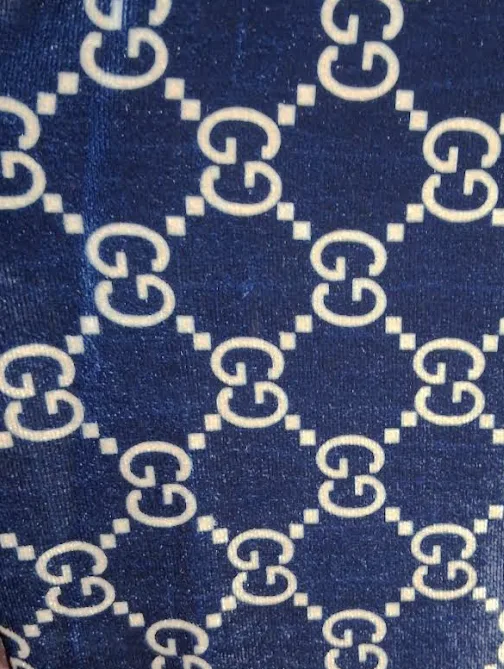
Sustainable Woven Fabrics Are Trending in 2026
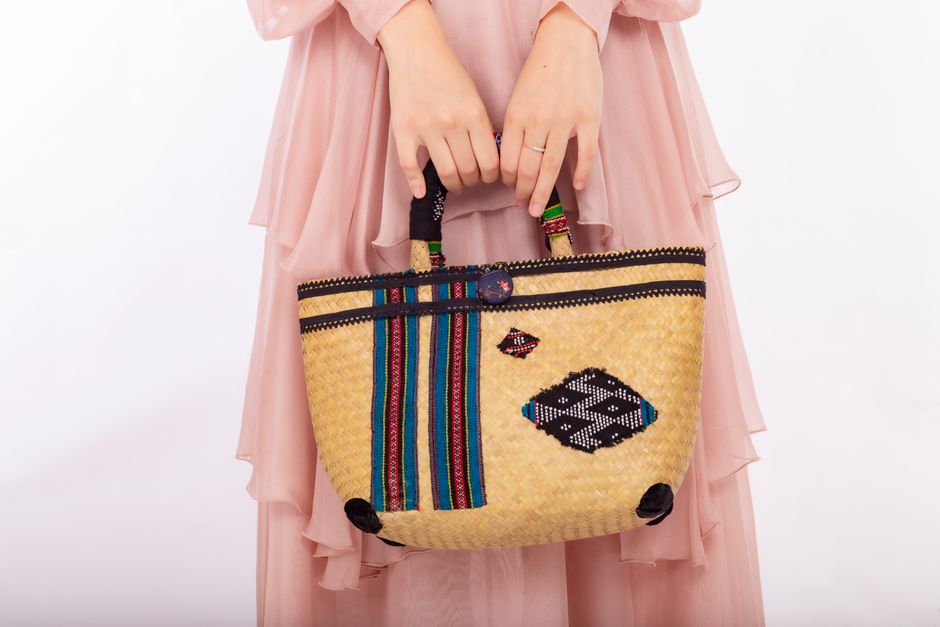
Modern consumers care about where their clothes come from. Sustainable woven fabrics, especially those handcrafted from natural materials using thoughtful production methods, are becoming the expectation rather than the exception.
Eco-friendly woven options include organic cotton, hemp blends, and linen produced without harsh chemicals. These fabrics feel premium, perform beautifully, and align with customer values around environmental responsibility.
If you're running a fashion business or designing for a conscious audience, featuring sustainable woven fabrics in your collections tells a story. Customers will pay for quality and ethics.
Where to Find Quality Woven Fabrics for Your Projects
Finding reliable woven fabric suppliers matters. You need consistency, speed, and affordability if you're serious about production.
Designer-inspired woven fabrics are available from specialized fabric retailers. These offer trend-forward patterns and textures at a fraction of luxury brand prices. Many suppliers now stock millions of print options through partnerships with stock image libraries like Shutterstock and Adobe, giving you endless design possibilities with flexible minimum orders.
If you need volume, wholesale pricing and bulk discounts can seriously impact your bottom line. Ordering 5 yards or 50 yards shouldn't mean paying retail prices per yard. Look for suppliers offering tiered pricing structures that reward larger orders.
For entrepreneurs and manufacturers looking for both classic designer-inspired woven patterns and completely custom prints, Designer Spandex and MORE offers high-grade fabric by the yard with fast processing and shipping. They stock designer-inspired options plus millions of non-designer patterns from Shutterstock and Adobe, so whether you're designing one piece or producing a collection, you'll find what you need.
Woven Fabric Care and Durability
One reason woven fabrics remain so popular is their durability. When cared for properly, woven garments last years. They actually improve with age, developing character and softness.
Most woven fabrics handle machine washing fine, though you should always check care labels. Natural fiber wovens like cotton and linen may shrink slightly in hot water, so cold or warm is safer. They dry quickly compared to heavy knits, making them practical for everyday wear.
The interlaced structure also means woven fabrics are less prone to developing holes or runs compared to knits. One pulled thread in a knit can unravel the entire garment. Woven fabric holds its integrity much better.
Designer-Inspired Woven Patterns Without the Price Tag
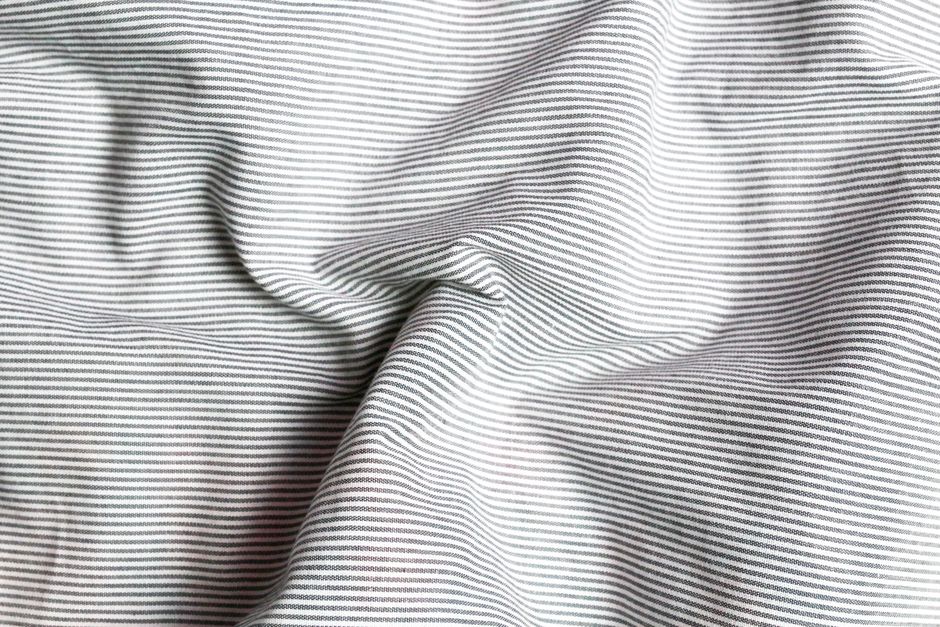
You don't need to use expensive luxury fabrics to create high-end looking pieces. Designer-inspired woven fabrics give you trend-forward aesthetics at accessible prices.
These fabrics borrow color palettes, patterns, and textures inspired by runway collections without trademark or licensing issues. Fashion entrepreneurs, independent designers, and manufacturers use designer-inspired fabrics to stay current without inventory risk or prohibitive costs.
The key is pairing quality woven fabric construction with thoughtful garment design. A well-constructed dress made from an affordable designer-inspired woven will outperform a poorly made piece from an actual luxury brand every time.
When you're sourcing fabrics, look for suppliers offering both designer-inspired collections and access to custom prints from major stock libraries. This flexibility means you can follow trends quickly while maintaining competitive pricing. Many wholesalers now require only 5 yard minimums for custom Adobe or Shutterstock prints, making small-batch production viable for anyone.
Matching Woven Fabrics to Your Design Goals
The right woven fabric choice depends entirely on your end use. Ask yourself these questions:
- What's the garment's primary function? (Daily wear, performance, special occasion?)
- What climate or season is it designed for?
- What's your target customer's budget and values?
- Do you need maximum breathability or some structure?
A summer sundress needs lightweight, breathable plain or twill weave. A structured blazer benefits from a denser twill or jacquard. Dancewear might need a blend of woven and stretch for movement and support.
Experimenting with samples before committing to large orders is smart. Most reputable fabric suppliers, including Designer Spandex and MORE, can provide swatches or sell small yardages so you can test drape, weight, and durability before scaling production.
Can you use woven fabric for swimwear?
Technically yes, but standard woven fabric isn't ideal for swimwear because it doesn't have stretch or quick-dry properties. Swimwear typically requires spandex blends or specialized performance fabrics. However, you could use a lightweight woven for swim cover-ups, beach dresses, or resort wear that doesn't get submerged.
What's the difference between woven and knit fabric?
Woven uses interlaced threads at right angles, creating a structured, stable cloth. Knit uses looped threads, creating elastic, stretchy fabric. Woven doesn't recover well if stretched, while knit bounces back. Britannica's textile guide has excellent visual explanations if you want to dive deeper.
Is woven fabric better than knit for hot weather?
It depends on the specific fabric, but many woven fabrics are more breathable than knits because the interlaced structure allows air to pass through more easily. Lightweight cotton or linen wovens are genuinely excellent for hot weather. Knits can trap heat depending on fiber content and weave density.
How much does quality woven fabric cost?
Designer-inspired woven fabrics typically range from $12 to $20 per yard at wholesale prices, depending on fiber content and pattern complexity. Custom prints from stock libraries may cost slightly more. Bulk orders almost always come with discounts that lower per-yard costs significantly. Luxury brand authentic wovens run $30-60+ per yard, which is why designer-inspired alternatives are so popular.