![Designer inspired f[designer spandex and more] Designer Inspired Fabrics](http://designerspandexandmore.com/cdn/shop/files/Untitled-1_4df5def2-f0b2-4baf-9714-66df1caa11bc_{width}x.png?v=1631713532)
What Is Woven Fabric? Types, Uses & How to Choose
by Designer Spandex and MORE
Woven fabric is made from two sets of interlaced yarns or threads woven together on a loom, creating a stable and versatile material used everywhere from casual clothing to performance wear. The way those threads cross over and under each other determines everything about how the fabric feels, breathes, and performs. Whether you're building a clothing line, making swimwear, or just curious about what's in your closet, understanding woven fabric is essential.
Here's the honest truth: not all woven fabrics are created equal. The fiber content, weave tightness, and construction method all matter. And if you're sourcing fabrics for production or DIY projects, knowing these differences can save you time and money.
In this article
How Woven Fabric Is Made
Woven fabric starts on a loom. Two perpendicular sets of yarns interlace in an over-under pattern. The lengthwise yarns are called the warp, and the crosswise yarns are called the weft. When they cross, they create the fabric structure.
This interlacing method is what separates woven fabric from knit fabric (which uses loops). Woven fabrics tend to be more structured and less stretchy. They're also generally more stable and durable, which is why they show up in workwear, suiting, and everyday clothing.
The fiber itself can be anything: cotton, polyester, silk, linen, rayon, or blends. The weave pattern and fiber choice determine the fabric's weight, drape, and how it performs. That's why two woven fabrics can feel completely different.
Common Types of Woven Fabric
Let's break down the woven fabrics you'll actually encounter:
- Chiffon: Lightweight, sheer, and flowy. Perfect for draping designs and summer dresses. Not ideal if you need structure.
- Challis: Soft, smooth, and lightweight. Great for shirts and skirts. Has a nice drape without being see-through.
- Canvas: Heavy, durable, tightly woven. Used for workwear, bags, and structured garments. Can be stiff initially but softens with use.
- Flannel: Brushed surface that's super soft and warm. Winter favorite for shirts and sleepwear.
- Suiting: Crisp and structured. Used in blazers, pants, and formal wear. Usually a blend of natural and synthetic fibers.
- Shirting: Medium weight, breathable, easy to care for. The standard choice for dress shirts and casual button-ups.
Each of these has specific uses, and picking the right one depends on what you're making and what season you're designing for.
Breathability and Weave Density
Here's the key relationship: tighter weaves trap air and feel less breathable. Looser weaves let air flow through, making them better for warm weather.
Think about it. A tight canvas weave will keep you warm but won't breathe well. A loose linen weave feels cool because air moves through it easily. If you're designing summer wear, you want a looser weave structure.
The fiber content matters too. Designer Spandex and MORE carries a wide range of woven options including breathable cotton blends that work beautifully for warm-weather garments. Cotton woven fabrics, especially those with textured weaves, are readily available and naturally breathable.
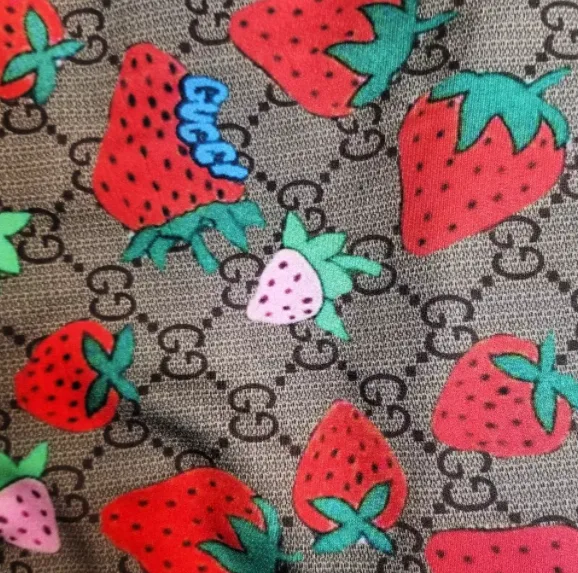
If you need hard numbers, research on fabric breathability and moisture management shows that weave tightness directly correlates with air permeability. A loose weave can have 2-3x better breathability than a tight one, even with the same fiber.
Best Woven Fabrics for Summer
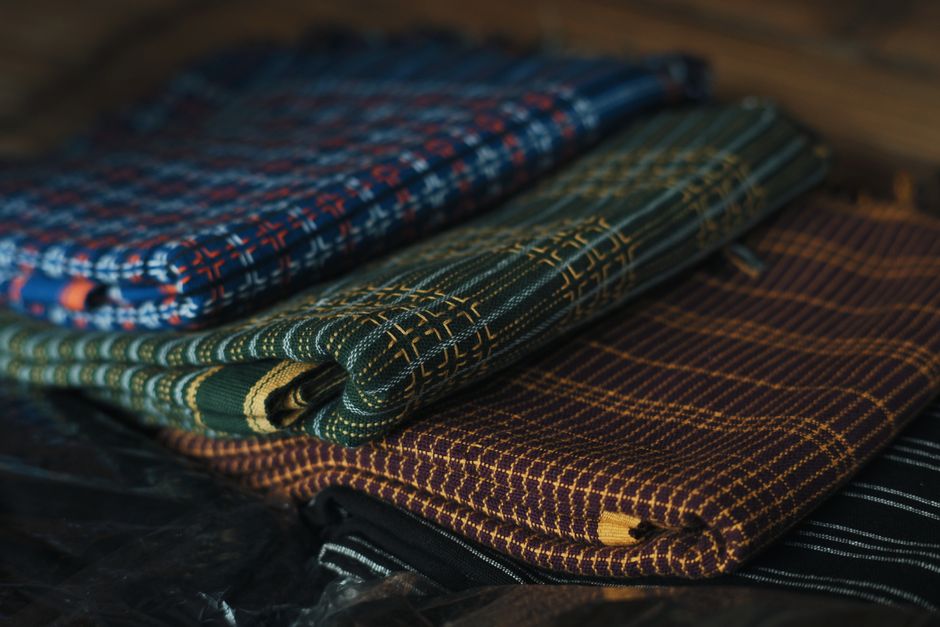
Summer demands breathable, lightweight fabrics. Here's what actually works:
- 100% cotton with loose weaves: Think linen-look cottons or chambray. Comfortable, breathable, and easy to care for.
- Linen blends: Linen is naturally cool but wrinkles easily. Blending it with cotton or polyester keeps the breathability while reducing wrinkles.
- Rayon: Drapes beautifully and breathes well. Great for flowing summer dresses and shirts.
- Cotton voile: Super lightweight, sheer, and perfect for layering or unlined garments.
The worst choice for summer? Dense, tight weaves in heavy synthetics. They don't breathe, they hold heat, and they feel uncomfortable after a few hours.
Woven Fabric for Specific Applications
Different projects need different fabrics. Here's a quick breakdown:
- Quilting and crafts: 100% cotton woven fabrics are the standard. They're available in millions of patterns, have consistent quality, and are easy to work with.
- Dancewear and athletic wear: You'll typically blend woven base fabrics with stretch materials. Many brands use woven cotton blended with spandex for structure and recovery.
- Swimwear: Performance woven fabrics that dry quickly and have some elasticity. Chlorine-resistant synthetics are your friend here.
- Casual clothing: Shirting, chambray, and lightweight canvas work across all seasons.
The point is: choose your woven fabric based on its end use, not just what looks good on the bolt.
Where to Source Quality Woven Fabric
If you're manufacturing or designing in bulk, you need reliable sourcing. Quality matters, price matters, and speed matters.
Designer Spandex and MORE offers designer-inspired woven fabrics and stretch options by the yard (60" x 36" at $16.99/yard) with same-day processing and fast USPS shipping. But they've also got you covered if you want variety: they carry millions of non-designer patterns from Shutterstock and Adobe Stock with a 5-yard minimum order, so you can test designs without massive commitments.
Wholesale pricing and bulk discounts are available too, which is huge if you're running a small manufacturing operation or dropshipping business.
For pattern sourcing, stock image libraries like Shutterstock and Adobe Stock are game-changers. You get access to millions of prints without licensing headaches, and you can customize minimums based on your needs.
Tips for Choosing the Right Woven Fabric
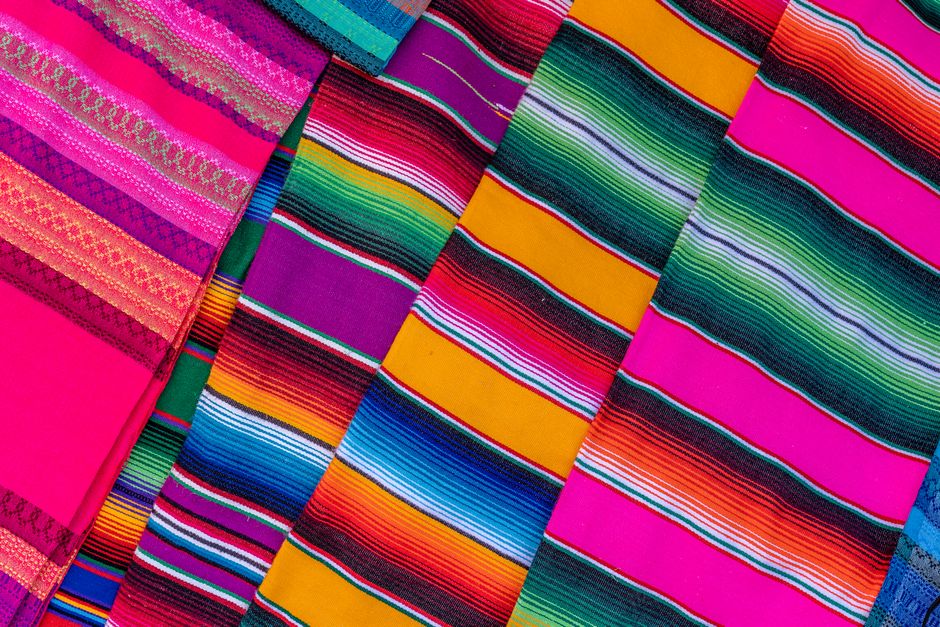
Start with the end use. What is your customer actually wearing this for?
- Summer wear? Prioritize breathability. Go loose weave, natural fibers.
- Structure and drape? Tighter weaves, heavier fabrics.
- Easy care? Synthetic blends or treated cotton.
- Cost-sensitive? Cotton blends offer great value.
Second, think about care instructions. Natural fibers shrink and wrinkle. Synthetics don't, but they can feel less comfortable. Blends split the difference.
Third, test before you commit to large orders. Order a small swatch or sample yard and wash it, wear it, see how it performs. This is especially important if you're working with a new supplier.
Finally, remember that designer-inspired fabrics don't require designer prices. You can get high-quality, trendy woven fabrics at accessible price points, especially if you're working with suppliers who prioritize speed and affordability like Designer Spandex and MORE.
Woven Fabric vs. Knit Fabric: Quick Comparison
It's worth knowing the difference. Woven fabrics use two perpendicular sets of interlaced threads. Knit fabrics use loops of yarn, similar to how a sweater is made.
Woven is more stable and holds its shape better. Knit is more stretchy and forgiving. Neither is inherently better. They just serve different purposes. You won't use knit for a structured blazer, and you won't use tight woven for activewear (unless you blend it with stretch).
What's the difference between a tight weave and a loose weave?
A tight weave has threads packed closely together, creating less space for air to move through. It's more durable and stable but less breathable. A loose weave has more space between threads, allowing better airflow. Loose weaves are better for summer, tight weaves for structure and durability.
Can woven fabric stretch?
Pure woven fabric doesn't stretch like knit does. However, woven fabrics can have some give, especially if they're made from elastic fibers like spandex blends. If you need serious stretch, you'll want a fabric that intentionally blends woven structure with spandex or elastane.
Is 100% cotton woven fabric good for summer?
Yes, absolutely. 100% cotton woven fabric, especially with a loose or textured weave, is one of the best summer options. It breathes naturally, absorbs moisture, and feels comfortable against skin. Just make sure it's a lighter weight with an open weave, not a dense canvas.
Where can I buy woven fabric by the yard?
Specialty fabric suppliers like Designer Spandex and MORE sell woven fabrics by the yard with quick turnaround. They also have access to millions of pattern options through stock libraries, so you're not limited to what's in inventory. Wholesale pricing is available for larger orders.