![Designer inspired f[designer spandex and more] Designer Inspired Fabrics](http://designerspandexandmore.com/cdn/shop/files/Untitled-1_4df5def2-f0b2-4baf-9714-66df1caa11bc_{width}x.png?v=1631713532)
Chiffon Fabric: Guide to Styles, Care & Where to Buy
by Designer Spandex and MOREChiffon fabric is a sheer, lightweight material known for its soft, flowing drape and delicate movement. It's become a go-to choice for anyone making formal dresses, blouses, scarves, and special occasion wear because it floats beautifully and feels incredible against your skin.
In this article
- What Is Chiffon Fabric?
- Why Chiffon Works for So Many Projects
- Chiffon Colors and Patterns
- Where to Buy Chiffon Fabric
- How to Care for Chiffon
- Chiffon vs. Other Sheer Fabrics
- Chiffon for Swimwear and Dancewear
- Budget-Friendly Chiffon Shopping
- Getting Professional Help with Fabric Selection
- Chiffon Production Tips
- People Also Ask
What Is Chiffon Fabric?
Chiffon is a super-soft, featherweight fabric that sits somewhere between gossamer and silk in terms of feel. You'll find it available in two main types: silk chiffon (the luxury version) and polyester chiffon (the budget-friendly, easier-to-care-for option).
Related: Types of Fabric: A Guide to Natural, Synthetic & Blends
Related: What Is Chenille Fabric? Texture, Uses & Care Guide
Related: What Is Twill Fabric? A Guide to Weave, Uses & Care
Related: What Is Viscose Fabric? Guide to Drape & Care
The magic of chiffon comes from how it's woven. The loose weave creates that signature sheer quality, and the thin yarn gives it almost zero weight. When you wear or work with chiffon, it moves like water.
Why Chiffon Works for So Many Projects
If you're designing quinceañera gowns or prom dresses, chiffon is practically the standard. The fabric's drape is unmatched for formal wear, and it photographs beautifully. But it's not just for big occasions.
You can use chiffon for everyday blouses that feel luxurious but breathe well. Scarves made from chiffon are perfect travel accessories because they resist wrinkles and pack down to almost nothing. Skirts get a romantic, flowing quality. Even layered overlays benefit from chiffon's see-through elegance.
According to fashion history research, chiffon became popular in the early 1900s and has remained a staple for designers ever since because of its versatility and timeless appeal.
Chiffon Colors and Patterns
One of the best parts about chiffon? It comes in basically every color you can imagine, plus tons of printed patterns. Solid chiffons give you a clean, classic look. Printed options let you add visual interest without bulk.
You can also layer different chiffon colors to create depth. Put a bright chiffon over a neutral base, and suddenly you've got dimension without extra weight. When you're shopping for chiffon, think about the end use. A heavy, bold print works for statement pieces, while subtle florals or solid jewel tones work for almost anything.
Where to Buy Chiffon Fabric
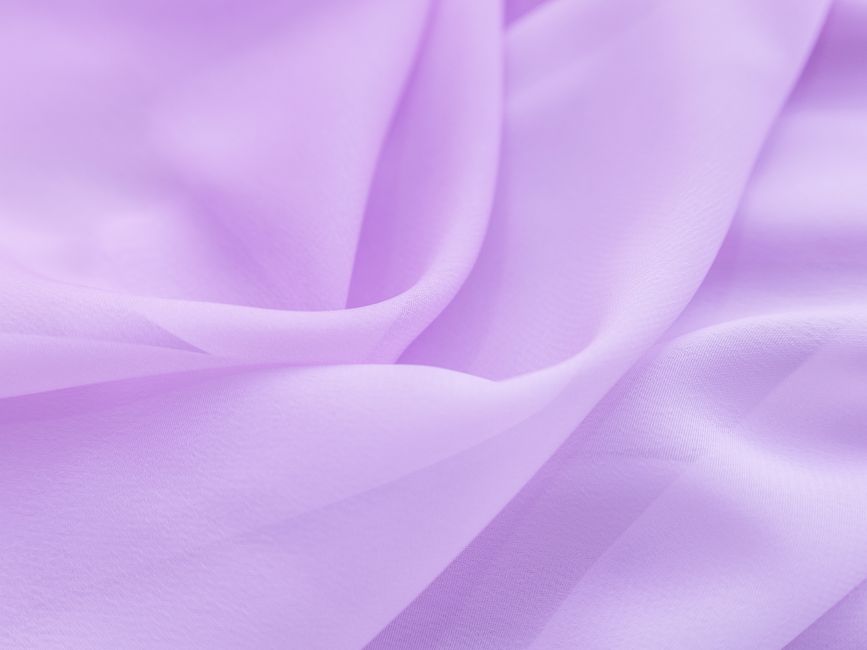
Chiffon is available at most online fabric stores, but pricing and selection vary wildly. The good news is you have options whether you're buying a single yard for a test project or ordering wholesale for bulk production.
Designer Spandex and MORE carries chiffon and similar lightweight fabrics perfect for your projects, with same-day processing and fast USPS shipping. They also stock millions of Shutterstock and Adobe print patterns available with a 5 yard minimum order, so if you want a custom design on chiffon-like materials, that's an option too.
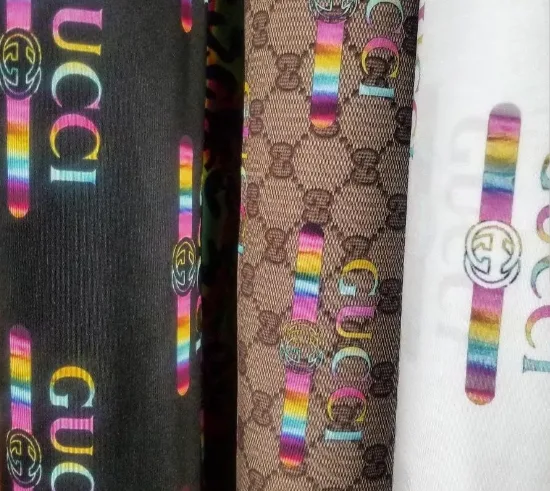
If you're ordering wholesale, expect bulk discounts. Most suppliers offer better per-yard pricing when you order by the roll instead of by the yard. For fashion entrepreneurs and small manufacturers, wholesale pricing can cut your material costs significantly.
How to Care for Chiffon
Here's the thing about chiffon: it's tougher than it looks. Polyester chiffon especially is machine-washable (gentle cycle, cold water) and dries quickly. Silk chiffon is more delicate and typically needs hand washing or dry cleaning, depending on the finish.
Chiffon resists wrinkles naturally, which is why it's so popular for travel wear. If you do need to remove a wrinkle, use a low-heat iron or a steamer on a low setting. The fabric is so thin that high heat can damage it instantly.
Store chiffon flat or loosely rolled, never crammed in a tight ball. Give it room to breathe, and it'll last years.
Chiffon vs. Other Sheer Fabrics
You might be choosing between chiffon and other lightweight materials like organza, voile, or silk charmeuse. Here's the real difference:
- Chiffon: Soft, flowing, feels luxurious, drapes beautifully.
- Organza: Crisper, stiffer, holds shape better, more structured.
- Voile: Even lighter than chiffon, often used for underlays or sheer overlays.
- Silk charmeuse: Heavier than chiffon, more lustrous, better for bias cuts.
For most people making dresses, blouses, and scarves, chiffon wins because it balances beauty with workability.
Chiffon for Swimwear and Dancewear
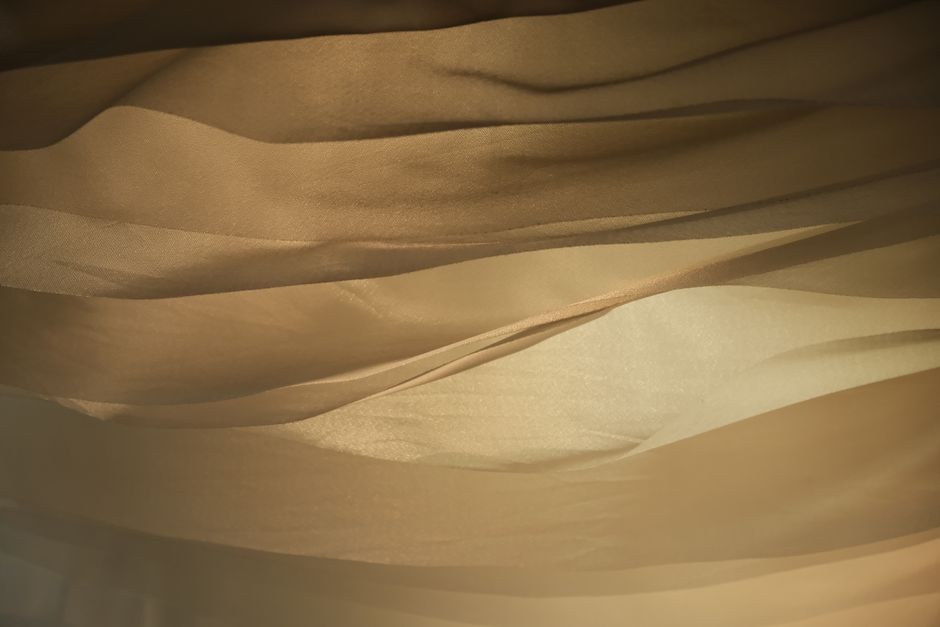
You can also find chiffon blended with stretch materials for swimwear cover-ups and dancewear. A chiffon overlay over a supportive base fabric gives you movement without exposure. This is super popular for beach wraps and dance recital costumes.
When Designer Spandex and MORE sources stretch fabrics, they pair them with chiffon-like overlays for projects that need both flow and function.
Budget-Friendly Chiffon Shopping
If you're making multiple pieces or starting a small production run, buy chiffon by the roll instead of the yard. You'll save money and have fabric on hand for future projects. Most suppliers let you mix and match colors and patterns on a single roll order.
Polyester chiffon costs less than silk chiffon and honestly performs better for most modern designs. Save silk chiffon for pieces where that specific luster matters.
Getting Professional Help with Fabric Selection
Not sure if chiffon is right for your project? Professional fabric experts can compare options side by side and help you pick the best material for your design. This is especially useful if you're designing for specific body types or movement requirements (like for dancers or athletes).
Reach out to Designer Spandex and MORE directly if you have questions about whether chiffon or a similar fabric fits your needs. They're customer-service focused and transparent about their inventory and can help you find alternatives if chiffon isn't in stock.
Chiffon Production Tips
If you're manufacturing pieces with chiffon, here are a few things that make the process smoother:
- Use a fine needle (size 60/8 or 70/10) on your sewing machine to avoid snagging.
- Serge or finish your seams because chiffon frays easily.
- Pattern match printed chiffons at seams for a polished look.
- Test your thread tension on a scrap first.
- Consider French seams or bias tape for a professional finish.
People Also Ask
Is chiffon good for beginners?
Chiffon can be tricky because it's slippery and sheer, but it's not impossible. If you're new to sewing, start with a simple A-line dress or scarf to get a feel for how the fabric moves. Use pattern weights instead of pins, and take your time with seams. You'll learn fast.
Can you wear chiffon in warm weather?
Absolutely. Chiffon is lightweight and breathes well, making it ideal for hot climates. It won't stick to your skin like heavier fabrics. Solid-color chiffon in light shades reflects heat, so you'll feel cooler too.
How much chiffon do I need for a dress?
Most dresses need 2-3 yards of chiffon depending on the style, your size, and the pattern layout. A simple maxi dress might need 3 yards. A fitted blouse might need just 1.5 yards. Always check your pattern before you buy.
Does chiffon shrink?
Polyester chiffon doesn't shrink. Silk chiffon can shrink slightly if you use hot water or high heat, so always use cool water and gentle handling. When in doubt, preshrink your fabric before cutting.