![Designer inspired f[designer spandex and more] Designer Inspired Fabrics](http://designerspandexandmore.com/cdn/shop/files/Untitled-1_4df5def2-f0b2-4baf-9714-66df1caa11bc_{width}x.png?v=1631713532)
Fabric Texture Guide: Types, Feel & How to Choose
by Designer Spandex and MOREFabric texture is basically the way a fabric feels and looks on the surface. It's the difference between smooth, bumpy, shiny, matte, stretchy, or stiff. When you run your hand over a piece of cloth, the texture is what you're experiencing. And honestly? Texture is one of the biggest things that makes or breaks a design.
Your eyes and fingers are telling you a story about quality, comfort, and style all at once. In 2026, texture is huge in fashion. Designers are moving away from flat, boring fabrics and leaning hard into 3D elements, embroidery, plush finishes, and sculptural details. If you're making swimwear, dancewear, athletic wear, or high-end apparel, understanding fabric texture is non-negotiable.
Related: Plaid Fabric Guide: Styles, Uses & Where to Buy
Related: Best Pink Lace Fabric 2026: Top 5 Ranked
Related: Best Duck Canvas Fabric 2026: Top 5 Ranked
Related: Best Black Sequin Stretch Fabric 2026: Top 5 Ranked
Let's break down what texture really is, why it matters, and how to choose the right one for what you're building.
Related: What Is Woven Fabric? Types, Uses & How to Choose
In this article
What Is Fabric Texture?
Fabric texture refers to the surface quality of a material. It's created by the way fibers are woven, knitted, or finished together. The texture you see and feel depends on several things: the fiber type (cotton, polyester, spandex, wool, etc.), the weave pattern, the yarn thickness, and any finishing treatments applied after manufacturing.
There are three main fabric texture categories you should know:
Related: Best Muslin Fabric for Pattern Testing & Quilting
- Woven fabrics: Made by interlocking two sets of yarn at right angles. Think canvas, denim, linen. Wovens tend to feel crisp, structured, and stable.
- Knitted fabrics: Made by looping yarn together. These include jersey, ribbed knits, and honeycomb patterns. Knits feel soft, stretchy, and conforming to your body.
- Specialty textures: Velvet, fleece, embossed finishes, mesh, lace, and anything with raised or 3D details.
The difference matters because texture affects how a garment drapes, moves, breathes, and looks on your body. It's not just cosmetic. A smooth spandex has completely different performance than a textured velvet, even if both stretch the same amount.
Why Fabric Texture Matters for Your Designs
Texture does three critical jobs: it creates visual interest, it affects comfort, and it changes how people perceive quality.
Visually, texture breaks up monotony. A flat, plain fabric can feel cheap or boring. But add texture like embroidery, a jacquard weave, or a velvet finish, and suddenly the piece feels premium and intentional. That's why high-end brands obsess over texture details.
Functionally, texture impacts breathability. Research on fabric breathability shows that weave density and fiber composition directly control how air and moisture move through fabric. A tightly woven canvas won't breathe like a mesh or a loose jersey knit. If you're designing for athletes or hot climates, texture choice affects performance.
Psychologically, people touch fabric before they buy it (if they can). Texture speaks to quality and price point. Soft, plush textures feel luxe. Rough or rigid textures feel utilitarian. Designer Spandex and MORE carries everything from smooth 4 way stretch Spandex to luxe VELVET 4 Way Stretch Spandex, so you can dial in exactly the feel your customers expect.
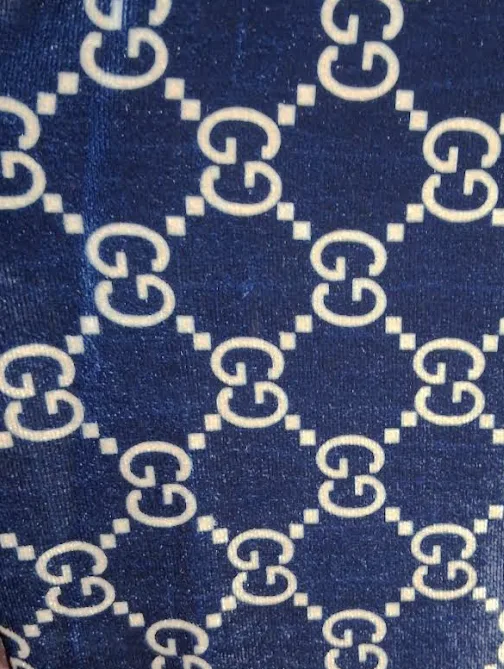
Common Fabric Textures Explained
Here are the textures you'll encounter most often when sourcing fabrics:
- Smooth & Glossy: Satin, silk, smooth spandex. Reflects light. Feels slippery and elegant. Great for formal wear and swimwear.
- Matte & Flat: Cotton jersey, basic canvas, poly. Non-reflective. Professional and versatile.
- Velvet & Plush: Raised, soft pile. Feels luxurious but can be delicate. Perfect for statement pieces.
- Ribbed & Textured Knits: You can see and feel the ribs. Common in athletic wear and structured knits. Adds visual interest and structure.
- Mesh & See-Through: Open weave with holes. Maximum breathability. Used in activewear, swimwear, and layering pieces.
- Embossed & Raised Details: Pattern pressed or stitched into fabric. Creates 3D effects. Trending hard in 2026.
- Embroidery & Applique: Stitched or attached decorative elements. Adds craft-forward details and dimension.
How to Choose the Right Texture for Your Project

Start with function. What's the garment supposed to do?
If you're making dancewear or swimwear, you need a texture that stretches, dries fast, and feels smooth against skin. A spandex blend with a smooth or matte finish works best. If you're making athletic wear, breathability matters, so consider mesh panels or loose knits.
If you're going upmarket and want perceived luxury, lean into texture. Add velvet, embroidery, jacquard patterns, or 3D knits. People will pay more for garments that look and feel crafted.
Think about your customer's climate and lifestyle. Hot and humid? Go for breathable, lightweight textures like mesh or loose jersey. Cold climate? Plush, dense textures trap warmth.
Finally, consider your brand aesthetic. Minimalist brands might stick with smooth, solid textures. Maximalist or bold brands can layer textures, mix matte with glossy, and stack embellishments. That's the 2026 trend anyway - sculptural, hyper-textured pieces are outselling quiet luxury.
Finding the Right Fabric at Scale
When you're sourcing fabrics by the yard, you have two main routes: designer-inspired collections or custom prints.
Designer Spandex and MORE stocks pre-made textures in spandex and stretch blends. You can grab VELVET 4 Way Stretch Spandex, which gives you that luxury plush feel at $11.99 per yard. Or pick a designer-inspired pattern like FENDI Designer Inspired 4 Way Stretch Spandex Fabric for texture with a print.
If you want custom prints with specific textures, Designer Spandex and MORE also offers Shutterstock or Adobe 5 yards Minimum with your choice of any seamless Shutterstock Pattern. That's millions of textures and patterns available with a 5 yard minimum. You get custom texture without custom pricing.
Wholesale pricing and bulk discounts apply if you're ordering 10+ yards or working with multiple colorways. Same-day processing means you can test textures fast and iterate without waiting weeks.
Texture Trends in 2026
Right now, the biggest texture trend is maximalism with 3D elements. Honeycomb knits, sculptural embroidery, raised jacquard patterns, and multi-textured layering are winning. Raffia textures, woven details, and craft-forward finishes are premium details.
Flat, minimalist textures are still relevant but they're the baseline now, not the statement. If you want to stand out, texture has to do some work.
Plush textures (velvet, fleece, soft knits) are also strong. People want tactile, comforting fabrics, even in performance wear. VELVET 4 Way Stretch Spandex hits this moment perfectly because it's soft AND functional.
Texture and Sustainability

One note: texture can actually signal better quality and longevity. A textured fabric with visible weave or knit structure tends to age better and hide wear longer than a smooth finish. So when you're choosing texture, think about durability too. A sturdy textured weave will outlast a delicate smooth fabric.
Related: Best Tulle Fabric for Tutu: Soft & Sturdy Options
Getting Started with Your Texture Selection
Here's your move: grab a few fabric samples from Designer Spandex and MORE that match different textures. Feel them. Stretch them. Look at them in different lighting. See which textures match your brand and your customers' expectations.
Test textures on your target customer if you can. Let them touch, stretch, and move in the fabric. Texture is personal. What feels luxe to one person might feel fussy to another.
Order in small quantities first (remember, Designer Spandex and MORE sells by the yard - 60" x 36" per yard at $16.99). Prototype, test, get feedback, then scale up to bulk orders with wholesale pricing.
What's the difference between fabric texture and fabric weight?
Texture is how the surface feels and looks. Weight is how heavy the fabric is. You can have a lightweight fabric with heavy texture (like thin velvet) or a heavyweight fabric that's smooth (like heavy twill). They're separate qualities. Weight affects drape and structure. Texture affects appearance and tactile feel.
Does fabric texture affect how clothing fits?
Definitely. Textured knits and stretchy spandex conform to your body differently than stiff woven textures. Plush velvet drapes differently than smooth jersey. Textured fabrics with ribbing or embossed details add structure, while smooth stretch fabrics cling and move with you. That's why choosing the right texture for the right garment type matters so much.
Can you add texture to a smooth fabric?
Yes. Embroidery, applique, screen printing, heat transfer, and finishing treatments can all add texture to a smooth base. You can start with a plain 4 way stretch Spandex and layer texture on top with embroidery or prints.
What texture is most breathable?
Loose knits, mesh, and open weaves breathe best. They have gaps that let air and moisture pass through. Tightly woven fabrics and dense plush textures trap heat and moisture. If breathability is your priority, choose a loose knit or mesh texture over a dense weave.