![Designer inspired f[designer spandex and more] Designer Inspired Fabrics](http://designerspandexandmore.com/cdn/shop/files/Untitled-1_4df5def2-f0b2-4baf-9714-66df1caa11bc_{width}x.png?v=1631713532)
Tie Dye Patterns: 7 Easy Designs for Beginners & Beyond
by Designer Spandex and MOREIn this article
- What Are Tie Dye Patterns?
- Popular Tie Dye Patterns You Can Master
- Step-by-Step: How to Create Tie Dye Patterns
- Fabric Choices Matter for Tie Dye Patterns
- Tie Dye Color Palettes That Work
- Common Tie Dye Pattern Mistakes and How to Avoid Them
- Why Tie Dye Is Having a Moment
- Taking Your Tie Dye to the Next Level
- Tie Dye Pattern Inspiration and Resources
What Are Tie Dye Patterns?
Tie dye patterns are designs created by folding, binding, or clamping fabric before dyeing it. The areas you bind stay light, while the exposed parts soak up color. It's one of the most accessible DIY projects out there, no matter your skill level.
The cool part? Your folding technique determines everything. Fold it one way, you get spirals. Fold it another way, you get stripes or sunbursts. The possibilities are basically endless, and even mistakes usually look amazing.
Popular Tie Dye Patterns You Can Master
Let's break down the most popular tie dye patterns and how to create them. These range from super beginner-friendly to more advanced designs.
Spiral Patterns
Spirals are the entry point for most people trying tie dye. Pinch the center of your shirt, twist it flat, then bind it with rubber bands in a pizza-slice pattern. When you dye it, you get those classic rotating lines everyone loves.
Why start here? Because it's almost impossible to mess up. Even if your spiral isn't perfectly centered, it still looks intentional and cool.
Peace Sign Patterns
Fold your shirt into thirds, then bind it to create a peace symbol. This is slightly trickier than a spiral but still totally doable for beginners. The result is an iconic design that screams 1970s nostalgia.
Stripe Patterns
Accordion-fold your fabric and bind it at intervals with rubber bands. When you dye it, you get neat, even stripes. This one teaches you precision without being overwhelming.
Sunburst or Radiant Patterns
Pinch a point on your shirt and bind it in concentric circles around that center point. You end up with rays of color radiating outward, like a mini sun.
Geode Patterns
This is where things get fancy. Geode patterns are more advanced, but they're stunning. You'll crumple sections of fabric, bind them tightly, and use multiple colors to create these intricate crystal-like designs. Think of it as tie dye's fancy cousin.
Watermelon Patterns
Use red, pink, and green dye in specific areas to mimic a watermelon slice. This one requires some planning and color placement, but the payoff is worth it.
Galaxy or Cosmic Patterns
This design is pure creativity. Tie dye with purples, blues, blacks, and whites, then add white splashes to mimic stars. It's dreamy and unique every single time.
Step-by-Step: How to Create Tie Dye Patterns
Here's the real process. Proper shirt folding is the foundation of everything, so take your time with this step.
- Prep your fabric. Start with a clean, damp t-shirt or piece of fabric. Prewash it so there's no sizing or finishes blocking the dye.
- Fold or bind your design. Use rubber bands, string, or clamps to create your pattern. The tighter you bind, the more white space you'll have.
- Prepare your dye. Follow your kit instructions. Most beginner kits (like Tulip One-Step) come with 3-4 colors mixed and ready to spray or squirt.
- Apply color strategically. For spirals, work from the center outward. For stripes, apply dye to each section evenly. Don't oversaturate, but don't hold back either.
- Let it set. Leave your tied shirt to sit for 6-24 hours so the dye bonds with the fibers. This is what creates vibrant, long-lasting results.
- Rinse and wash. Rinse in cool water until the water runs clear, then wash in hot water with detergent. Rinse again in cool water.
- Dry and rock it. Air dry or toss in the dryer, then wear with pride.
Fabric Choices Matter for Tie Dye Patterns

Not all fabrics take dye the same way. Cotton absorbs dye beautifully and creates crisp patterns. Blends (like cotton-spandex mixes) can work too, but you'll get slightly different results depending on the fiber content.
If you're looking for high-quality spandex blends that take dye exceptionally well, Designer Spandex and MORE carries a range of 4 way stretch spandex options perfect for athletic wear, swimwear, and dancewear. At just $16.99 per 60" x 36" yard, you can grab what you need without breaking the bank.
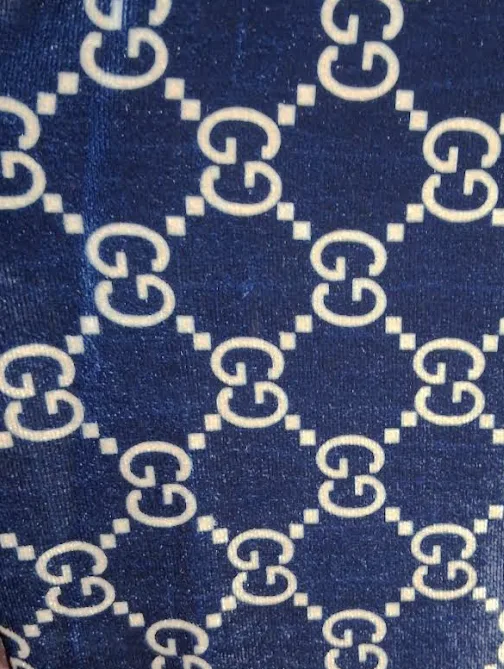
Pro tip: If you want unlimited custom patterns beyond traditional tie dye, Designer Spandex and MORE also offers millions of seamless prints through Shutterstock and Adobe with a 5-yard minimum order. Perfect if you want designer-inspired patterns without the DIY dyeing process.
Tie Dye Color Palettes That Work
Color choice makes or breaks your design. Most beginner kits come with 3-4 colors specifically chosen to work well together.
Popular combos:
- Bright pink, purple, and white for a bold vibe
- Navy, teal, and white for something clean and cool
- Rainbow chaos if you want maximum energy
- Black and white for high contrast and modern feel
- Earth tones (rust, gold, cream) for a vintage aesthetic
The key? Pick colors that have some contrast. Two shades of the same color rarely looks as striking as mixing warm and cool tones.
Common Tie Dye Pattern Mistakes and How to Avoid Them
Even experienced crafters run into hiccups. Here's what to watch for:
Binding too loose: Your pattern will blur and blend. Bind tighter if you want crisp lines and clear color separation.
Not letting it set long enough: Rushing the process means colors won't fully bond to the fibers. Patience pays off here.
Using old or low-quality dye: Dead dye = dull results. Grab a fresh kit and follow the instructions exactly.
Overdyeing all at once: Less is more. You can always add more color. You can't take it back once it's in there.
Forgetting to prewash: This one's huge. Fabric sizing blocks dye from bonding properly. Always prewash.
Why Tie Dye Is Having a Moment

Tie dye is trending as a summer activity, but honestly, it's becoming a year-round thing. Why? Because it's accessible, fun, and produces genuinely unique pieces. You can't buy this exact pattern anywhere else.
According to Shutterstock's trend analysis, tie dye searches spike during spring and summer, but the aesthetic stays relevant year-round in fashion design and DIY communities.
For makers, manufacturers, and fashion entrepreneurs, tie dye offers low overhead, high customization, and customer appeal. If you're building a small brand, Designer Spandex and MORE makes it simple to source base fabrics at wholesale pricing with bulk discounts and same-day processing.
Taking Your Tie Dye to the Next Level
Once you master the basics, experiment with these advanced techniques:
- Ice dye: Lay ice on your fabric before applying dye. As it melts, the dye flows and creates organic, wavy patterns.
- Multiple color layers: Dye once, bind differently, dye again. Layering creates complexity and depth.
- Reverse tie dye: Start with pre-dyed fabric and use bleach to remove color instead. Wild results.
- Shibori techniques: Japanese dyeing methods using folds, stitching, and binding for more controlled patterns.
- Direct application: Skip the spray bottles and paint dye directly onto folded fabric with brushes for precise control.
If you're producing tie dye pieces at scale, sourcing quality base fabrics matters. Whether you need basic 4 way stretch spandex or want to explore designer-inspired options, Designer Spandex and MORE handles bulk orders with fast USPS shipping and wholesale rates.
Tie Dye Pattern Inspiration and Resources
Visual learners benefit huge from tutorials. Video demonstrations of step-by-step tie dye techniques are everywhere on YouTube and TikTok. Watching someone actually fold and bind fabric makes the process click way faster than reading about it.
If you need inspiration for color combos or pattern ideas, Pinterest and Instagram are goldmines. Search "tie dye patterns" and you'll find thousands of real examples from real people.
For brands and manufacturers, don't overlook non-tie-dye alternatives either. If custom dyeing isn't your thing, Designer Spandex and MORE carries millions of Shutterstock and Adobe prints available with a 5-yard minimum order. Same speed, zero mess.
Should I use a tie dye kit or mix my own dye?
Kits are your best bet if you're starting out. Products like Tulip One-Step come premixed and ready to go. No guessing on proportions, no cleanup headaches. Once you're comfortable, experiment with mixing your own. Professional dyers often buy dye powder in bulk for cost savings and color control.
Can tie dye patterns wash out over time?
If you let the dye set long enough (6-24 hours) and rinse properly, your tie dye should stay vibrant through many washes. Proper setting is what creates long-lasting results. Always use cool water for rinsing and avoid bleach-heavy detergents.
What's the easiest tie dye pattern for complete beginners?
Spiral patterns, hands down. Pinch, twist, bind, dye. Even if it's not perfect, it looks intentional. You literally can't fail at spirals.
Can you tie dye blended fabrics like cotton-spandex?
Yes, but results vary. Pure cotton gives the crispest, most vibrant colors. Spandex blends work, but the stretch component may take dye slightly differently. Test on a small piece first. Most tie dye kits work fine on spandex blends, though. If you're looking for quality spandex fabrics to experiment with, check out Designer Spandex and MORE's selection.