![Designer inspired f[designer spandex and more] Designer Inspired Fabrics](http://designerspandexandmore.com/cdn/shop/files/Untitled-1_4df5def2-f0b2-4baf-9714-66df1caa11bc_{width}x.png?v=1631713532)
Sewing Patterns 101: Find & Use the Right Design for Your Project
by Designer Spandex and MORESewing patterns are basically your roadmap to creating clothes that actually fit and look polished. Whether you're making a simple tank top or tackling a structured blazer, the right pattern makes all the difference between a DIY disaster and something you'd actually wear out.
In this article
- What Are Sewing Patterns and Why You Need Them
- Where to Find Sewing Patterns
- How to Choose the Right Pattern for Your Skill Level
- Understanding Size Ranges and Fit Options
- The Importance of Quality Construction Details
- Sewing Patterns for Specific Garment Types
- Printing and Preparing Your Pattern
- Making the Most of Your Pattern Investment
- Wholesale Options for Fashion Entrepreneurs and Manufacturers
What Are Sewing Patterns and Why You Need Them
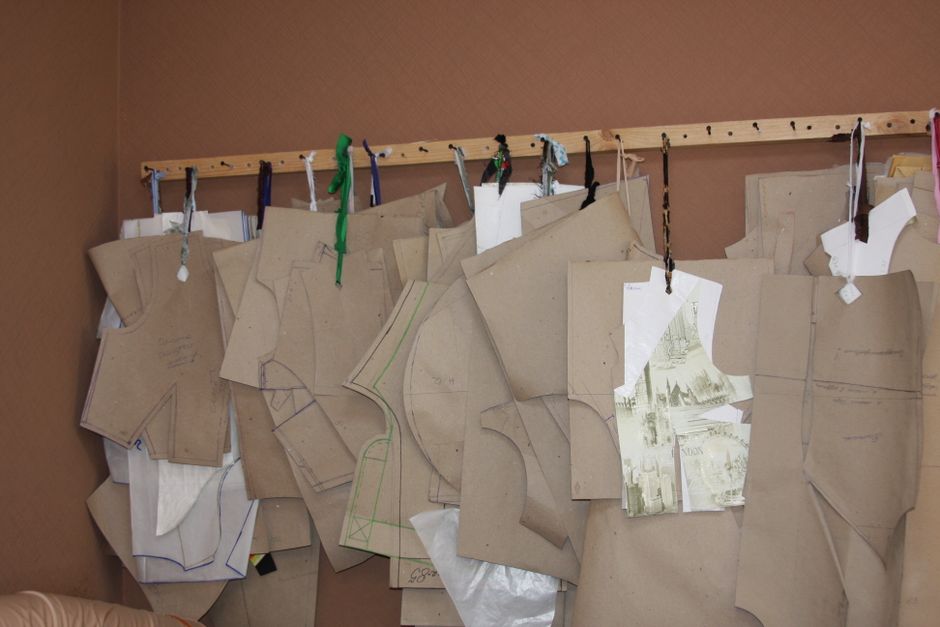
A sewing pattern is a set of templates and instructions that shows you how to cut fabric pieces and assemble them into a finished garment. Think of it like a recipe for a dress, shirt, or pair of pants.
Patterns come in two main formats: printed paper (the classic way) and PDF files (digital downloads you print at home or send to a print shop). Both work great, it just depends on your preference.
The cool part? Designer Spandex and MORE helps you bring those patterns to life with high-quality stretch fabrics and designer-inspired materials. When you have a solid pattern plus the right fabric, you're set up for success.
Where to Find Sewing Patterns
You've got tons of options out there. The big commercial pattern companies like Simplicity, Vogue, Butterick, McCall's, and New Look have been around forever and offer thousands of designs. These are widely available both online and in fabric stores.
If you want something more unique or modern, indie pattern designers like Friday Pattern Company, Closet Core Patterns, and Sew House Seven have built huge followings. They often focus on trendy, well-drafted designs with detailed instructions.
There are also searchable pattern databases like ThreadLoop that help you find patterns by style, size, or difficulty level. This is super helpful when you know what you want but aren't sure where to look.
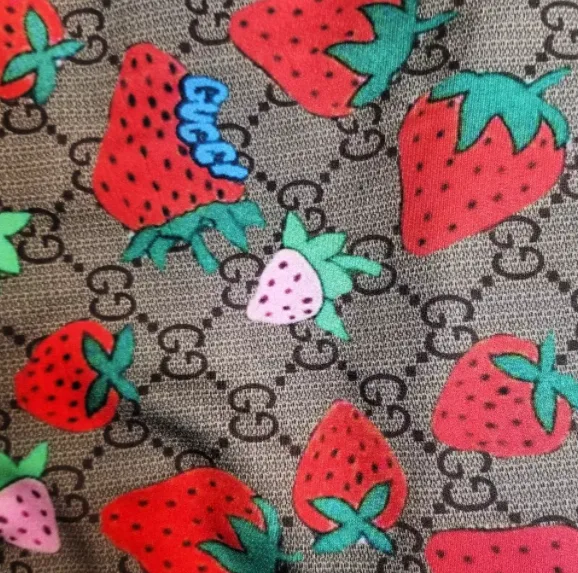
And here's a pro move: if you're working with custom prints or unique fabrics, Designer Spandex and MORE offers access to millions of Shutterstock and Adobe seamless patterns with a 5-yard minimum order. This opens up endless creative possibilities for making truly one-of-a-kind pieces.
How to Choose the Right Pattern for Your Skill Level
Here's where a lot of makers trip up. Just because a pattern looks cute doesn't mean it's the right fit for where you are in your sewing journey.
Beginners should start with patterns that have minimal pieces, simple closures, and straightforward instructions. Look for labels like "beginner-friendly" or patterns with fewer pattern pieces (usually 4-6 total).
Intermediate sewers can handle things like fitted garments, multiple seams, and basic zippers. You're comfortable with construction steps and can troubleshoot basic issues.
Advanced sewers? You're ready for complex tailoring, detailed finishes, welt buttonholes, and intricate design elements. You probably already know your grading system and fit preferences.
Understanding Size Ranges and Fit Options
This is huge in 2026. Top patterns are now offering inclusive sizing with actual cup sizes for better fit, especially for swimwear and activewear.
Before you buy, check if the pattern has a detailed size range. Does it go from XS to 3XL? Does it account for different body shapes? Read reviews from people who actually made it to see if it ran small, large, or true to size.
If you're making athletic wear, dancewear, or swimwear, you'll want to pair your pattern with stretchy fabrics. Designer Spandex and MORE carries 4 way stretch Spandex and other performance fabrics that give you the recovery and comfort these garments need.
The Importance of Quality Construction Details
Here's what separates a homemade-looking garment from something that looks professionally made: finishing details matter.
According to garment construction best practices, you should spend dedicated time perfecting things like welt buttonholes, zipper placement, and refined closures. Don't rush the final steps.
Think about small choices too, like whether your elastic is the right type and quality, or if your seams are properly finished. These aren't flashy, but they're what makes someone say "did you actually make this?"
If you're working with Designer Elastic Banding at COST! $8.99 a yard, you're already investing in quality notions. Pair that with attention to detail at each sewing stage, and your garment will look polished.
Sewing Patterns for Specific Garment Types
Different garment categories have different pattern considerations.
Dresses and Skirts: Look for patterns with clear waist and length adjustments. Hip fit matters, so check the finished measurements, not just the size number.
Activewear and Swimwear: You need patterns designed for stretch fabrics. They'll have different seam allowances and usually account for fabric recovery. Pair these with quality stretch materials for best results.
Structured Garments (jackets, blazers): These require more precision. Make sure the pattern includes seam grading, interfacing suggestions, and detailed assembly instructions.
Kids' Clothes: Patterns for children often come in multiple sizes in one envelope. Kids and Seasonal Designer Inspired Fabric 4 ways Spandex works great for play clothes and dancewear because it's durable and forgiving.
Printing and Preparing Your Pattern
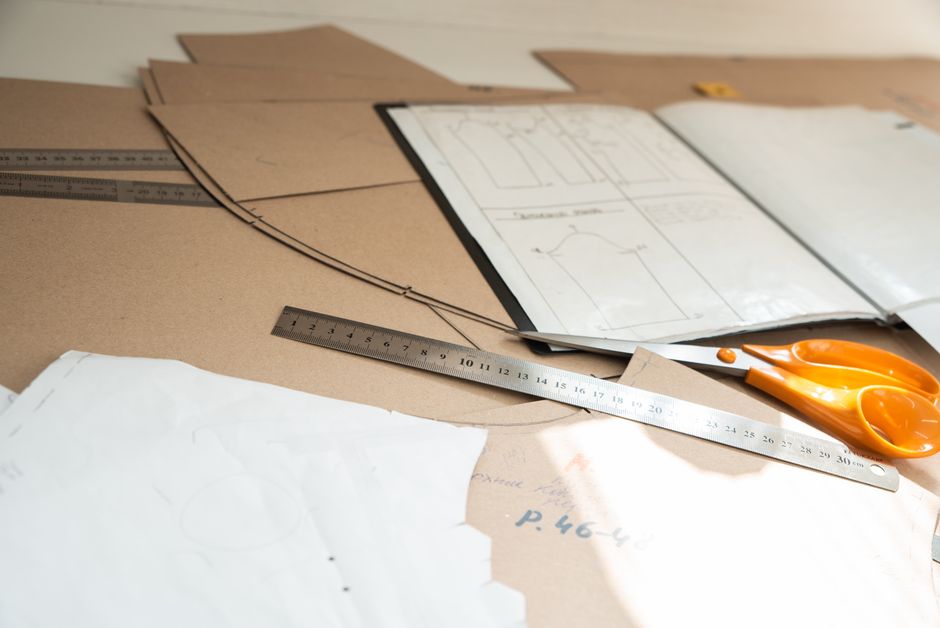
If you're working with a PDF, you'll either print it at home or take it to a copy shop. Either way, make sure you print at 100 percent scale, not "fit to page" (that shrinks everything). Your pattern comes with a test square so you can verify scale before cutting.
Once printed, tape your pattern pieces together carefully and lay them on a flat surface. Cut them out cleanly with sharp scissors or a rotary cutter.
Paper patterns? Just store them flat or rolled, keep them dry, and they'll last forever.
Making the Most of Your Pattern Investment
A good pattern is reusable. Once you've made it once, you can grade it up or down for different sizes, modify the neckline, shorten sleeves, whatever.
Keep notes on your first make: Did the pattern fit well? Were the instructions clear? What would you change next time? This creates a personal pattern database that helps you make smarter fabric and design choices on future projects.
When you're ready to start your next build, having trusted patterns plus access to quality fabrics like what Designer Spandex and MORE offers means you can focus on the creative part instead of troubleshooting.
Wholesale Options for Fashion Entrepreneurs and Manufacturers
If you're making clothes at scale, pattern sourcing gets strategic. You might start with commercial patterns to establish your design aesthetic, then work with pattern graders to refine sizing for your specific customer base.
Fabric sourcing at wholesale pricing is equally important. Designer Spandex and MORE offers bulk discounts and wholesale pricing for manufacturers and fashion entrepreneurs who need consistent, affordable stretch fabrics in bulk quantities. Same-day processing and fast USPS shipping mean you're not waiting around for materials.
What's the difference between a pattern size and my actual size?
Pattern sizes don't always match commercial clothing sizes. A size 10 pattern might be designed to fit a size 8 or 12 in store-bought clothes. Always check the finished garment measurements on the pattern envelope against your body or a garment you already own and love. This is your real reference point.
Can I use any pattern with any fabric?
Not exactly. A pattern designed for woven cotton won't work the same way as one designed for stretch knits. Check the pattern's suggested fabrics. If you want to substitute, make sure you're using a fabric with similar stretch and weight. For example, you can swap one 4 way stretch Spandex for another, but you shouldn't use a woven where a knit is specified.
How do I know if a pattern is well-drafted?
Look at customer reviews on the company's site or third-party review platforms. Real sewers will tell you if seams match up, if fit is true, and if instructions are clear. Check Threads Magazine for pattern reviews and expert sewing guidance too.
Should I buy printed or PDF patterns?
Both work. Printed patterns are nice if you like having something physical to reference while sewing, but they take up storage space. PDFs are instant and space-saving but require a printer. Many designers offer both, so pick whatever fits your workflow.