![Designer inspired f[designer spandex and more] Designer Inspired Fabrics](http://designerspandexandmore.com/cdn/shop/files/Untitled-1_4df5def2-f0b2-4baf-9714-66df1caa11bc_{width}x.png?v=1631713532)
Durable Clothing Material: Best Fabrics for Long-Lasting Wear
by Designer Spandex and MOREWhen you're shopping for clothes that stand the test of time, knowing what durable clothing material really means can save you money and frustration. The truth is simple: not all fabrics are created equal, and some will outlast others by years.
Durability isn't just about thickness or weight. It's about the fiber content, how tightly the fabric is woven, and honestly, how you treat it after you buy it. Let's dig into what makes certain materials last longer and how you can make smarter fabric choices for your next project or purchase.
In this article
What Makes a Durable Clothing Material?
Durable clothing material has three core components: the type of fiber, the weave structure, and how well it resists wear. Think of it like a building foundation. You can have the prettiest house, but if the foundation is weak, everything else fails.
Fibers are the raw threads. Weaves are how those threads are interlocked. Together, they determine whether your favorite shirt lasts two seasons or two years.
Designer Spandex and MORE works with manufacturers and makers who understand this balance. They know that quality fabric isn't just about looking good on day one. It's about holding up when real life happens.
Related: Best Spandex for Athletic Wear Projects
Top Fibers for Durability
Wool is the heavyweight champion of natural fibers. It's naturally elastic, resistant to wear, and actually gets softer the more you wash it (when you wash it right). Wool fibers are crimped and scaly, which means they grip each other, making them harder to break down. Plus, wool repels moisture, so it doesn't hold sweat and bacteria the way cotton does.
Luxury animal fibers like alpaca and mohair rank even higher than standard wool. Alpaca is hypoallergenic, stronger than wool, and will last decades if cared for properly. Mohair is lustrous and incredibly durable because the fibers are smooth and strong.
Nylon and polyester get a bad rep, but they're actually practical for specific uses. They're lightweight, breathable, and don't absorb water like cotton does. However, here's the real talk: synthetics don't last as long as natural fibers or blends. They break down from UV exposure and repeated washing. They're great for athletic wear or swimwear where you need that stretch, but they're not the forever-fabric choice.
Cotton is common but not a durability superstar. Pure cotton wears out faster than wool because the fibers are weaker. That said, high-quality cotton with a tight weave (like canvas or twill) lasts way longer than lightweight cotton jersey.
Linen is tough and gets tougher with age. Linen fibers are cellulose-based and become stronger when wet, which means washing actually improves durability. If you treat linen right, it'll outlast most cotton pieces.
The Best Weave Structures for Durable Clothing Material
Now that you know the fibers, let's talk about how they're woven together.
Twill weave creates diagonal lines and is super durable. The fibers cross in a tight diagonal pattern, which distributes stress across the fabric. You see twill in workwear, jeans, and khakis. It's the go-to for pieces that need to survive hard use.
Canvas weave is even tighter than twill. It's a plain weave with thick threads that barely bend, making it almost indestructible. Canvas is what you find in tool bags, work jackets, and heavy-duty apparel.
Ripstop weave has a reinforced grid pattern woven throughout. If a small tear happens, the grid prevents it from ripping further. It's popular in outdoor gear and athletic wear because it balances durability with lightness.
Plain weave is the simplest but can still be durable if the fibers are quality and the weave is tight. Linen, for example, uses a plain weave but lasts forever.
Blended Fabrics: The Durability Sweet Spot

Here's something that changes the game: blending fibers. When you mix wool with synthetics (like wool-nylon blends) or cotton with spandex, you get benefits from both.
A cotton-spandex blend, for example, gives you the softness and breathability of cotton with the stretch and recovery of spandex. The spandex helps the fabric bounce back from wear, reducing pilling and extending the life. This is why athletic wear and dancewear almost always use stretch blends.
Designer Spandex and MORE specializes in high-quality 4 way stretch Spandex blends, which are perfect for makers who want durability with performance. Four-way stretch means the fabric moves in all directions, recovery is incredible, and color retention is solid year after year.
Care and Maintenance Make the Difference
Here's what most people miss: the best durable clothing material can be destroyed by bad care. Conversely, even mid-range fabrics last longer when treated right.
Wash cold water. Hot water breaks down fibers faster and fades colors. Cold water does the job just as well.
Use gentle detergent. Harsh chemicals eat away at fiber integrity over time.
Avoid the dryer when you can. High heat is a fiber killer. Air drying is the durability hack that costs nothing.
Turn clothes inside out before washing. This protects the surface from friction and pilling.
Don't overload the washer. Crowding causes excessive friction between pieces, speeding up wear.
According to the Textile Exchange, proper care can extend the life of a garment by 30% or more. That's not a guess. That's research.
Durable Clothing Material for DIY Makers and Entrepreneurs
If you're making your own pieces, choosing the right fabric from the start matters hugely. You want fibers that perform and weaves that hold up to repeated wear.
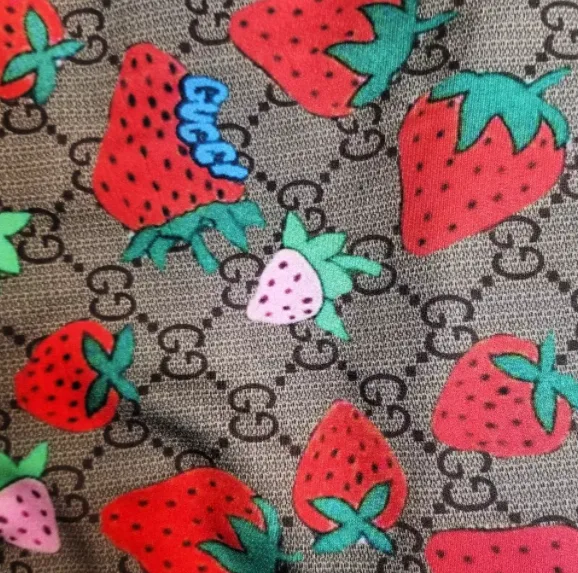
Spandex blends are a smart choice for activewear, dancewear, and swimwear. They're forgiving, stretchy, and age well. Options like Versace Spandex 4 way Designer Inspired Fabric and FENDI Designer Inspired 4 Way Stretch Spandex Fabric give you durability with a premium look at an affordable price point.
For canvas or non-stretch pieces, you'll want a tight weave and quality fiber. Gucci CANVAS Designer Inspired Fabric NO STRETCH works for bags, jackets, and structured garments.
Designer Spandex and MORE also offers millions of non-designer patterns through Shutterstock and Adobe stock libraries. If you're looking for custom prints with durable base fabrics, the Shutterstock or Adobe 5 yards Minimum option gives you creative freedom without breaking your budget.
Wholesale Pricing and Bulk Options

Making clothes for others? Durability is non-negotiable because your reputation is on the line. Bulk orders get you better pricing, and same-day processing means faster turnaround.
Designer Spandex and MORE offers wholesale pricing on bulk orders, making it easy to source durable fabrics without killing your margins. Whether you're ordering 5 yards or 500, quality doesn't change. Speed does: same-day processing and USPS shipping keeps your timeline tight.
Does expensive fabric always mean more durability?
Not always. A tightly woven synthetic can outlast a loosely woven natural fiber in some cases. What matters is fiber type, weave density, and care. You can find durable fabrics at mid-range prices if you know what to look for.
How long should a quality garment actually last?
A well-made piece in durable material should last 5-10 years with normal wear and proper care. Activewear and stretch fabrics typically last 2-5 years because the elastic degrades over time, which is normal.
What's the most durable natural fiber for clothing?
Wool wins for balance of durability, ease of care, and affordability. Luxury fibers like alpaca and cashmere last longer, but they're pricier and require more careful handling.
Related: Best Chiffon Clothing 2026: Top 5 Ranked
Related: Best Polyamide Clothing Fabrics 2026: Top 5 Ranked
Related: Best Discount Fabrics 2026: Top 5 Ranked for Makers
Can I make durable clothing with affordable spandex blends?
Absolutely. High-quality spandex blends are engineered for durability. Four-way stretch options from Designer Spandex and MORE are designed to hold up to repeated wear, making them ideal for makers who want performance without the premium price tag.