![Designer inspired f[designer spandex and more] Designer Inspired Fabrics](http://designerspandexandmore.com/cdn/shop/files/Untitled-1_4df5def2-f0b2-4baf-9714-66df1caa11bc_{width}x.png?v=1631713532)
Best Tencel Fabric for Activewear: Breathable & Sustainable
by Designer Spandex and MORE
You're looking for fabric that feels luxurious, performs in real life, and aligns with your values. Tencel fabric checks all three boxes. Whether you're designing no-sweat pants, cycling apparel, or fashion-forward dresses, tencel delivers the silky smoothness and durability that keeps your customers coming back.
Here's the honest truth: most activewear fabrics force you to choose between comfort and sustainability. Tencel doesn't make you compromise. It's a cellulose fiber made through a closed-loop production process that dramatically reduces environmental impact, and the performance benefits are real. We've helped dozens of indie designers and small manufacturers source tencel fabric blends at Designer Spandex and MORE to launch collections that sell.
In this article
Why Tencel Fabric Works for Your Activewear Line
Tencel fibers (available in Lyocell and Modal varieties) are known for their breathability and quick-drying properties. That means your customers stay comfortable whether they're commuting across town or hitting the gym. The fabric resists wrinkles naturally, so garments look fresh without excessive pressing.
The silky smooth texture is a major selling point. Tencel feels premium against skin, which justifies a higher price point and builds brand loyalty. Unlike some performance fabrics that feel stiff or synthetic, tencel drapes beautifully and flatters the body. That's why it's ideal for dresses, tops, and hybrid pieces that blur the line between athletic and everyday wear.
Sustainability matters to your customers. According to research published in Nature Catalysis, Lyocell production uses a closed-loop process that recovers and recycles 99% of solvents, making it one of the most environmentally responsible fiber options available. When you feature tencel in your line, you're offering both quality and conscience.
Tencel Fabric Performance: What to Expect
Tencel excels in durability and longevity. Garments hold their shape through repeated washing and wearing, which means reduced returns and stronger customer satisfaction. The fiber is strong both wet and dry, so it won't weaken during care.
One thing to know: tencel doesn't wick moisture as aggressively as some advanced synthetic blends designed purely for sweat-heavy sports. If you're building a high-intensity training line, consider tencel blends (mixing with nylon or other synthetics) to boost moisture-wicking while keeping that premium feel. At Designer Spandex and MORE, we stock designer-inspired tencel blends and can source custom blends in bulk for manufacturers.
Tencel also resists wrinkling better than pure cotton or linen, though it may still develop creases with extended wear. That's a fair trade for the silky drape and breathability you gain.
Best Use Cases for Tencel Fabric
- Cycling and commute wear: Breathable, durable, and wrinkle-resistant for urban riders.
- No-sweat pants and loungewear: Comfortable for all-day wear without feeling too casual.
- Fashion dresses and tops: The drape and silky feel elevate everyday pieces.
- Dancewear and yoga apparel: Gentle on skin, breathable, and flattering in motion.
- Hybrid wear: Tencel bridges the gap between athletic and streetwear aesthetics.
Tencel Fabric Care and Longevity

Your customers will keep tencel garments longer if they know how to care for them. Here's what to recommend:
- Wash in cool to warm water with gentle liquid detergent (eco-friendly options are ideal since tencel itself is sustainable).
- Avoid bleach and harsh enzymes, which can break down the fibers.
- Skip powder detergents. They leave residue on tencel that dulls the silky finish.
- Air dry when possible to preserve elasticity and shape.
Proper care extends garment life significantly, which builds customer trust and reduces complaints. Include these tips in your care tags or product inserts.
Sourcing Tencel Fabric for Your Brand
If you're a designer, manufacturer, or maker scaling your line, sourcing matters. You need fabric that's consistent, affordable, and available fast. Most tencel fabric comes in 60-inch widths, which is standard for apparel production. You're looking at yardage pricing that balances quality with margin.
Wholesale pricing gets serious when you order in volume. If you're producing 5+ pieces per design, bulk discounts apply and your cost per yard drops meaningfully. Some suppliers offer 5-yard minimums for custom prints through Shutterstock or Adobe stock libraries, which opens up endless design possibilities without heavy commitments.
The fastest path to production is working with a supplier that offers same-day processing and fast shipping. When you source tencel and stretch fabrics at Designer Spandex and MORE, you get both: designer-inspired quality at $16.99 per 60" x 36" yard, same-day processing, and USPS shipping that gets samples or small batches to you in days, not weeks.
Designer-Inspired Tencel: Affordable Quality Without Compromise
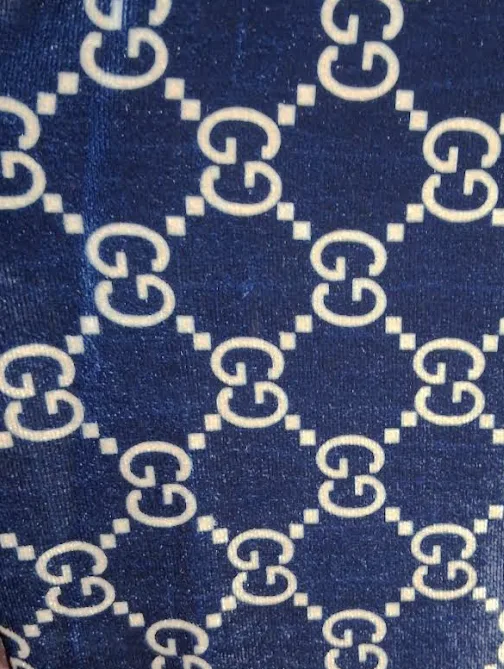
You don't need to source directly from luxury mills to get premium-feeling fabric. Designer-inspired tencel blends deliver the aesthetic and performance at a fraction of the cost. That margin difference funds marketing, better tags, or reinvestment into your brand.
Beyond tencel, Designer Spandex and MORE stocks millions of non-designer patterns from Shutterstock and Adobe, so you can mix classic tencel solids with printed designs for variety. Build a cohesive collection without overcomplicating your supply chain.
Reach out directly if you have specific questions about weight, blend ratios, or wholesale minimums. The team at Designer Spandex and MORE responds fast and solves problems in real time, which is exactly what growing brands need.
FAQs About Tencel Fabric

Is tencel fabric sustainable?
Yes, especially Lyocell-based tencel. It's produced using a closed-loop process that recycles solvents and reduces water waste. Modal varieties have faced deforestation concerns, so Lyocell is the greener choice if sustainability is a core brand value.
Can you blend tencel with spandex or nylon?
Absolutely. Tencel blends with elastane (spandex) boost recovery and stretch, making it ideal for activewear. Adding nylon increases moisture-wicking for high-intensity sports. Designer Spandex and MORE can source or help you specify custom blends for bulk orders.
How much tencel fabric do I need for a dress?
A typical fitted dress requires 1.5 to 2.5 yards depending on size, seam allowance, and design. A loose, flowing dress may need 2 to 3 yards. Always add 10% extra for shrinkage and test samples before committing to full production.
What's the difference between tencel and cotton for activewear?
Tencel dries faster, wrinkles less, and has a silkier feel than cotton. Cotton is breathable and soft but absorbs moisture and requires more ironing. For performance activewear, tencel wins. For casual basics, cotton is more affordable and familiar to customers.