![Designer inspired f[designer spandex and more] Designer Inspired Fabrics](http://designerspandexandmore.com/cdn/shop/files/Untitled-1_4df5def2-f0b2-4baf-9714-66df1caa11bc_{width}x.png?v=1631713532)
Best 220 Gram Spandex for Athletic Wear That Works
by Designer Spandex and MORE
You're building athletic wear that needs to move with your body, not against it. That means you need the right weight spandex, and 220 gram (GSM) is exactly where the sweet spot lives.
Here's the honest take: weight matters, but fiber composition matters more. A 220 GSM nylon-spandex blend will perform completely differently from a 220 GSM cotton knit, even though they weigh the same. You need to know the difference before you cut into fabric.
This guide walks you through 220 gram spandex for athletic wear, what it actually does, and how to find affordable, quality options that won't wreck your budget. Whether you're manufacturing activewear, designing for yourself, or testing ideas before going big, you'll have the knowledge to pick the right fabric the first time. 80/20 Blend.
In this article
- Why 220 Gram Spandex Works for Athletic Wear
- Fiber Composition: The Hidden Factor That Decides Performance
- Understanding Weight, Stretch, and Support
- Best Material Blends for 220 Gram Athletic Wear
- How to Find Affordable 220 Gram Spandex Options
- Non-Designer Patterns and Stock Image Options
- Performance Standards You Should Know
- Getting Started with Your 220 Gram Spandex Project
Why 220 Gram Spandex Works for Athletic Wear
220 GSM sits in the ideal mid-range for high-movement workouts. It's heavy enough to provide real support and reduce that annoying bounce and vibration during exercise, but not so heavy that your garments feel stiff or restrictive.
Think about it this way: when you're running, jumping, or doing dynamic stretches, you need fabric that moves with you instantly and snaps back without lag. That's what 220 gram spandex does. It holds you without holding you back.
The weight also signals durability. Lighter spandex fabrics (think 150-180 GSM) wear out faster because they have fewer fibers to absorb impact and friction. At 220 GSM, you're building garments that survive dozens of wash cycles and hundreds of hours of movement. That's the difference between activewear that lasts a season and activewear that becomes a customer favorite.
Fiber Composition: The Hidden Factor That Decides Performance
Here's where most people mess up. They see "220 gram spandex" and assume all 220 gram fabrics are equal. They're not.
A nylon-spandex tricot blend at 220 GSM will deliver superior stretch and moisture-wicking compared to a polyester-spandex blend at the same weight. Nylon fibers are naturally smoother, which means less friction against skin and faster moisture evaporation during sweaty workouts.
The spandex percentage matters too. Premium sportswear caps elastane at around 8% because that's the sweet spot between stretch and durability. Below 5%, you lose support. Above 10%, the fabric becomes unstable and loses shape too quickly.
If you're serious about building athletic wear, reach out to Designer Spandex and MORE directly. They carry multiple fabric blends in the 220 gram range, and their team can match your specific use case (yoga, running, dance, swimming) to the exact fiber composition you need.
Understanding Weight, Stretch, and Support
Weight and stretch aren't the same thing, and that's critical to understand.
A heavier fabric doesn't automatically stretch more. Instead, weight affects how much support and structure you get. 220 GSM spandex provides form-fitting support that keeps your body stable during movement. It reduces garment bounce, which matters enormously for high-impact activities.
Stretch comes from the fiber blend. A 220 GSM nylon-spandex tricot with 8% elastane will stretch further and recover faster than a 220 GSM cotton-nylon blend with the same elastane percentage, even though both weigh the same.
For athletic wear, you want both: enough weight to provide support and enough stretch to accommodate a full range of motion. 220 GSM hits that balance. Lighter weights sacrifice support. Heavier weights (280+ GSM) can feel restrictive for dynamic activities.
Best Material Blends for 220 Gram Athletic Wear

Nylon-spandex blends are the industry standard for athletic wear because they outperform alternatives in three key areas: moisture-wicking, durability, and recovery. If you're building performance gear, this is where you start.
Organic cotton blended with nylon and elastane is a solid option if sustainability matters to your brand. You'll sacrifice some moisture-wicking speed, but you'll gain a softer hand-feel and a compelling story for eco-conscious customers.
Polyester blends cost less but feel less luxurious and don't wick moisture as efficiently. If you're testing a prototype or experimenting with design, polyester-spandex at 220 GSM is acceptable. For a finished product you're confident in, nylon is the better choice.
Avoid pure spandex or anything claiming "LYCRA" as a primary component. Spandex is meant to be a supporting player (usually 5-8%), not the main character. When spandex dominates the blend, the fabric becomes unstable and loses durability.
How to Find Affordable 220 Gram Spandex Options
You don't need to pay $40 or $50 per yard for quality 220 GSM spandex. Designer Spandex and MORE offers 4 way stretch Spandex and other athletic-grade options at $16.99 per yard (60" x 36" cuts), with same-day processing and fast USPS shipping.
That pricing matters if you're running a small manufacturing operation or testing designs before placing larger orders. You can experiment with multiple fabric weights and blends without gambling your entire budget.
Wholesale and bulk discounts are available too. If you're buying 10+ yards, contact them directly to discuss pricing. Many fashion entrepreneurs and small manufacturers have found that bulk orders cut their per-yard cost significantly.
Designer-inspired 4-way stretch options like the Versace Spandex 4 way Designer Inspired Fabric 16.99 at checkout or Balenciaga 4 way stretch Spandex 16.99 at checkout give your athletic wear premium aesthetics without premium price tags.
Non-Designer Patterns and Stock Image Options
If designer-inspired prints don't fit your brand, you have millions of alternatives.
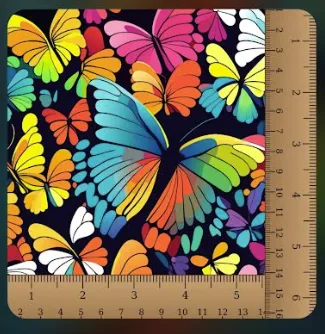
Designer Spandex and MORE integrates with Shutterstock and Adobe stock image libraries. You can choose from endless seamless patterns, photographic prints, and custom designs with a 5-yard minimum order. That opens up possibilities for unique, differentiated athletic wear that stands out from generic inventory.
Think bold geometric patterns, nature photography, abstract textures, or niche community designs. You get professional-quality prints without needing an in-house design team or minimum order commitments that would force you to manufacture thousands of units.
Performance Standards You Should Know
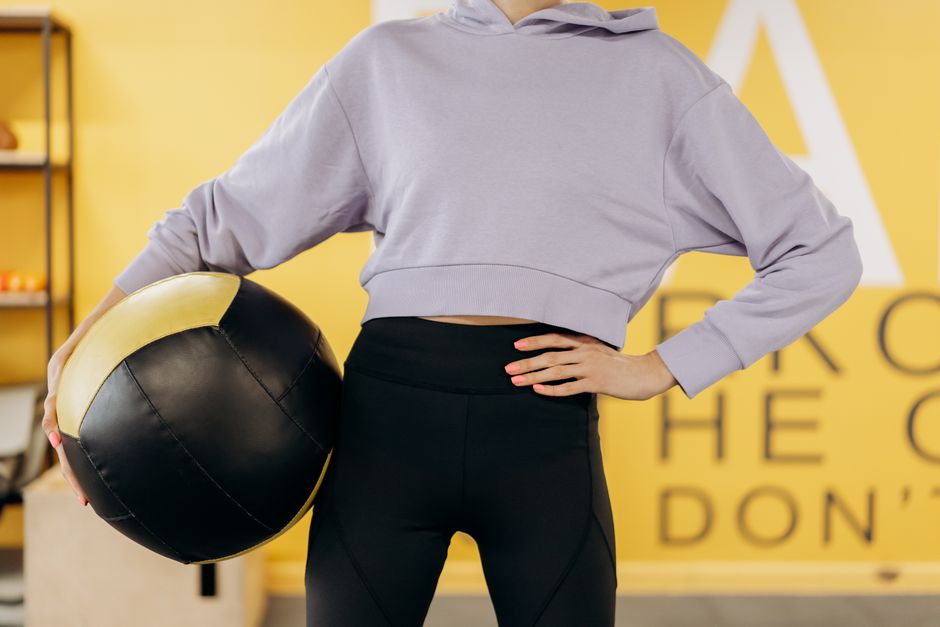
220 GSM is within the 220-280 GSM range recommended for athletic performance fabrics, according to textile science research. That weight provides the right balance of support, stretch, and durability for high-range-of-motion workouts.
Before you commit to a full production run, test your chosen fabric in the actual sport or activity it's designed for. Wear it. Sweat in it. Wash it. Make sure it performs the way you promised your customers it would.
Look for fabrics that recover their shape quickly after stretching and don't pill or fade after multiple washes. That's the difference between a one-time buyer and a repeat customer.
Getting Started with Your 220 Gram Spandex Project
Start small. Order a few yards of 220 GSM spandex in your top two or three fiber blends and test them side by side. See how they feel, how they perform under stress, and how they respond to washing.
Connect with the team at Designer Spandex and MORE if you have questions about composition or performance. They're direct, honest, and happy to help you match the right fabric to your specific use case. Same-day processing means you won't waste time waiting.
Once you've validated your design and confirmed the fabric performs, scale up. Bulk orders get better pricing and your per-unit cost drops significantly.
What's the difference between 220 GSM and heavier athletic spandex?
220 GSM provides excellent support and bounce reduction for high-range-of-motion activities. Heavier weights (280+ GSM) offer more compression and support but can feel restrictive during dynamic movement. For most athletic wear (yoga, running, dance, training), 220-250 GSM is the sweet spot.
Does 220 gram spandex shrink in the wash?
Properly constructed athletic spandex at 220 GSM should have minimal shrinkage if laundered correctly. Recommend cold water, gentle cycle, and air drying to your customers. Machine drying and hot water will break down elastane fibers faster and cause more shrinkage. Quality fabric plus good care instructions equals durability.
Can I use 220 GSM spandex for swimwear?
Yes, 220 GSM spandex works well for swimwear, especially nylon-spandex blends. The weight provides enough support for active water sports, and nylon resists chlorine and saltwater better than other synthetics. Polyester alternatives degrade faster in pool and ocean environments.
Where can I buy 220 gram spandex in small quantities?
Designer Spandex and MORE sells 60" x 36" cuts at $16.99 per yard with same-day processing. No minimum order, no hidden fees. You can order one yard to test or scale to bulk quantities with wholesale pricing as you grow.